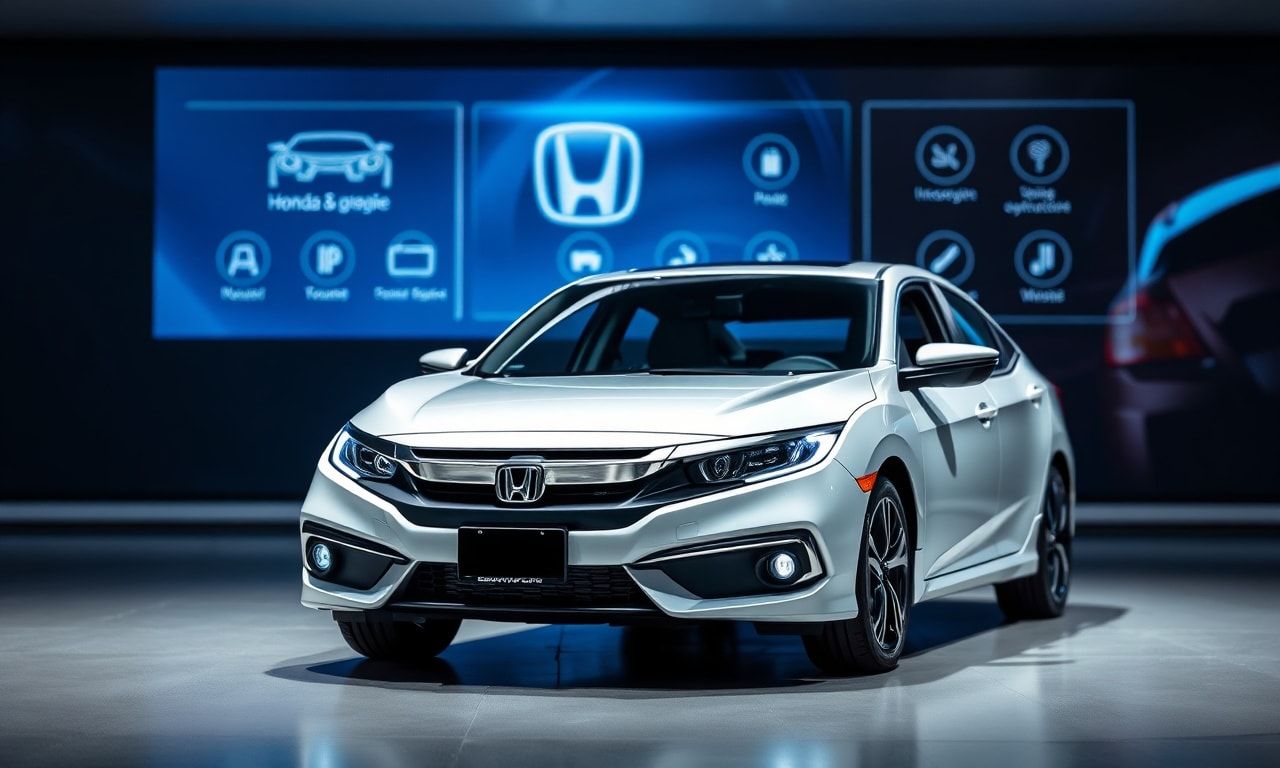
The Evolution of In-Car Technology
The automotive industry has witnessed a significant shift towards integrating advanced technology into vehicles. This transformation is not just about enhancing performance but also about improving user experience, safety, and connectivity. The Honda Civic, a staple in the automotive market, has been at the forefront of this evolution. From basic infotainment systems to advanced driver-assistance systems (ADAS), the Honda Civic has consistently embraced technological innovations.
The Role of AI in Modern Vehicles
Artificial Intelligence (AI) has become a cornerstone of modern automotive technology. AI-driven features in the Honda Civic, such as adaptive cruise control, lane-keeping assist, and collision mitigation braking, are designed to make driving safer and more efficient. These systems use sophisticated algorithms to analyze data from various sensors and cameras, enabling the vehicle to make real-time decisions. For instance, the AI can detect potential hazards and alert the driver or take corrective actions to prevent accidents.
Beyond safety, AI is also enhancing the infotainment experience. Voice-activated assistants like Honda’s Display Audio system allow drivers to control various functions hands-free, reducing distractions and improving focus on the road. These assistants can manage navigation, climate control, and even provide entertainment, making the driving experience more enjoyable.
The Future of AI in Automotive Technology
As AI continues to evolve, we can expect even more advanced features in future Honda Civic models. Machine learning algorithms will enable vehicles to learn from driver behavior and adapt to individual preferences. This personalization will extend to entertainment, climate settings, and even route planning. Additionally, AI will play a crucial role in the development of autonomous driving technologies, bringing us closer to a future where self-driving cars are the norm.
Cybersecurity in Modern Vehicles
With the increasing connectivity of modern vehicles, cybersecurity has become a critical concern. The Honda Civic, like many other contemporary cars, is equipped with various connected features that rely on internet connectivity. While this enhances user experience, it also opens up potential vulnerabilities to cyber threats. To address this, Honda has implemented robust cybersecurity measures to protect the vehicle’s systems from unauthorized access and data breaches.
One of the key aspects of automotive cybersecurity is the use of encryption technologies. Honda employs advanced encryption algorithms to secure data transmitted between the vehicle and external systems. This ensures that sensitive information, such as personal data and vehicle diagnostics, remains protected. Additionally, regular software updates are provided to patch any identified vulnerabilities, keeping the vehicle’s systems secure.
The Importance of Cybersecurity Awareness
While manufacturers like Honda are taking significant steps to enhance cybersecurity, it is also essential for drivers to be aware of potential risks. Simple practices, such as avoiding public Wi-Fi for vehicle updates and regularly updating the vehicle’s software, can significantly reduce the risk of cyber threats. Staying informed about the latest transfer news rumors update and technological advancements can also help drivers make informed decisions about their vehicle’s security.
The Impact of Software Updates
Software updates are a critical aspect of maintaining the performance and security of modern vehicles. Honda Civic owners can benefit from regular software updates that not only fix bugs but also introduce new features and improvements. These updates can enhance the vehicle’s infotainment system, improve ADAS functionalities, and even optimize engine performance. By keeping the software up-to-date, drivers can ensure that their vehicle operates at its best.
Honda provides over-the-air (OTA) updates for many of its vehicles, allowing drivers to receive the latest software enhancements without visiting a dealership. This convenience ensures that drivers can enjoy the benefits of the latest technology without any hassle. Regular updates also help in addressing any emerging cybersecurity threats, ensuring that the vehicle remains protected.
The Role of User Feedback
User feedback plays a crucial role in the development of software updates. Honda actively seeks input from drivers to identify areas for improvement and introduce new features that enhance the driving experience. This collaborative approach ensures that the software updates are tailored to meet the needs and preferences of Honda Civic owners. By providing feedback, drivers can contribute to the continuous improvement of their vehicle’s technology.
Conclusion
The integration of advanced technology into the Honda Civic has revolutionized the driving experience. From AI-driven safety features to robust cybersecurity measures, the Honda Civic is a testament to the intersection of automotive innovation and technology. As we look to the future, the role of AI and cybersecurity will only continue to grow, shaping the next generation of vehicles. By staying informed and proactive, drivers can ensure that they are making the most of the technological advancements in their Honda Civic.