
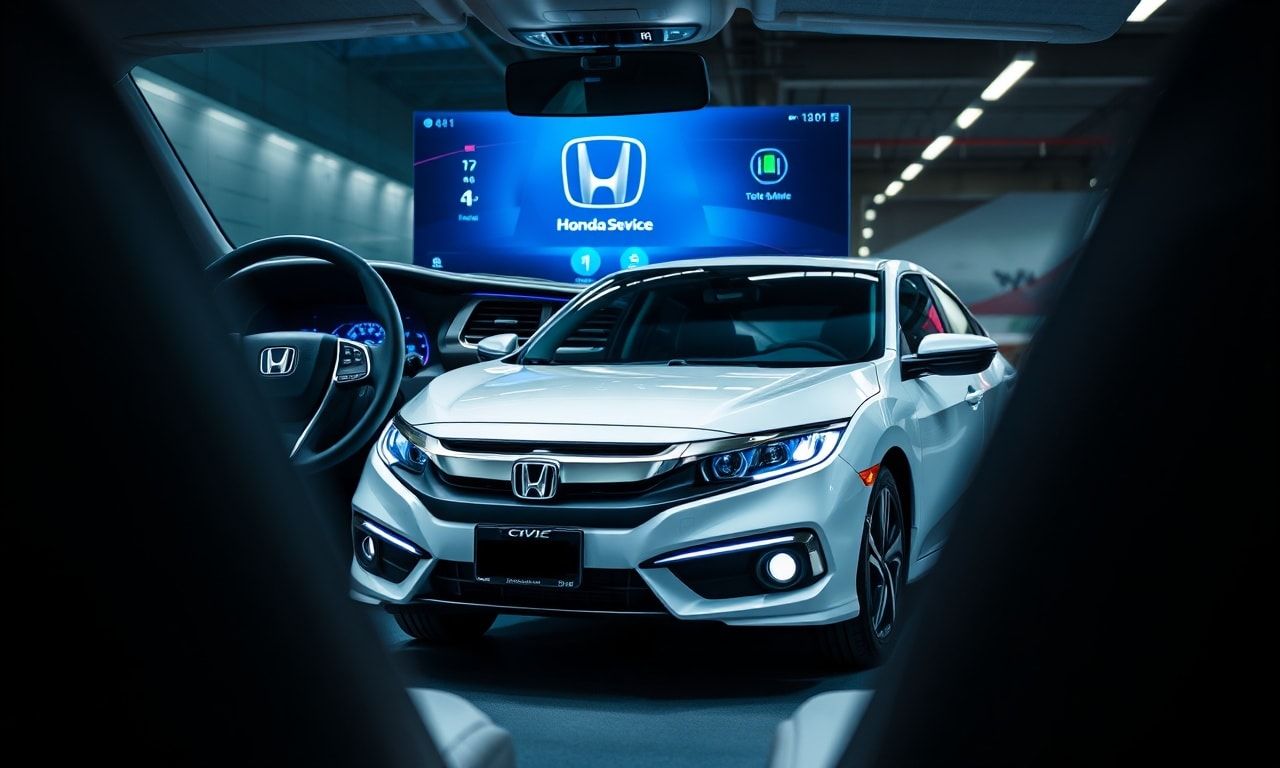
The Dawn of Smart Vehicles
The automotive industry has witnessed a significant shift towards integrating advanced technology into vehicles. This transformation is not just about enhancing performance but also about creating a seamless and intuitive user experience. Among the brands leading this charge is Honda, particularly with its Civic model. The Honda Civic has consistently been at the forefront of in-car technology, offering a blend of innovation, safety, and connectivity.
The Honda Civic’s Technological Milestones
Over the years, the Honda Civic has evolved from a simple, reliable vehicle to a tech-savvy machine. Early models focused on mechanical innovations, but recent iterations have embraced digital advancements. The introduction of the Honda Sensing suite, for instance, marked a significant leap in safety technology. This suite includes features like Collision Mitigation Braking System, Road Departure Mitigation, and Adaptive Cruise Control, all aimed at preventing accidents and ensuring driver safety.
Moreover, the Civic’s infotainment system has seen remarkable upgrades. The latest models come equipped with a high-resolution touchscreen display, Apple CarPlay, Android Auto, and a premium audio system. These features not only enhance the driving experience but also keep the vehicle’s occupants connected and entertained.
The Role of AI in Modern Vehicles
Artificial Intelligence (AI) is playing an increasingly crucial role in the automotive industry. AI-driven systems are being integrated into vehicles to improve navigation, enhance safety, and provide personalized experiences. For example, AI can analyze driving patterns to offer suggestions for more efficient routes or predict maintenance needs before they become critical issues.
In the context of the Honda Civic, AI is used to power advanced driver-assistance systems. These systems can detect potential hazards on the road and take corrective actions to avoid accidents. Additionally, AI-driven voice recognition systems allow drivers to control various functions of the vehicle hands-free, reducing distractions and enhancing safety.
Cybersecurity in the Age of Connected Cars
As vehicles become more connected, the need for robust cybersecurity measures becomes paramount. The Honda Civic, like other modern vehicles, is equipped with advanced security features to protect against cyber threats. These features include encrypted communication protocols, secure software updates, and intrusion detection systems.
For those interested in the latest technological advancements beyond the automotive industry, Berlin Literatur News aktuell offers a wealth of information on cutting-edge innovations in various fields. This resource is invaluable for tech enthusiasts looking to stay informed about the latest trends and developments.
The Future of In-Car Technology
The future of in-car technology is bright, with advancements in AI, connectivity, and cybersecurity paving the way for smarter and safer vehicles. Honda is committed to staying at the forefront of these innovations, ensuring that the Civic continues to be a leader in the automotive industry.
Looking ahead, we can expect to see even more integration of AI and machine learning into vehicle systems. This will enable vehicles to learn from their environments and adapt to the needs of their drivers. Additionally, the development of autonomous driving technologies will revolutionize the way we think about transportation, making it safer, more efficient, and more accessible.
Conclusion
The Honda Civic’s journey from a simple vehicle to a tech-powered machine is a testament to the rapid advancements in the automotive industry. As technology continues to evolve, the Civic will undoubtedly remain a benchmark for innovation and excellence. For tech enthusiasts and automotive lovers alike, the future of in-car technology promises to be an exciting and transformative journey.
Discover how cutting-edge tech is revolutionizing environmental conservation with our latest feature on smart water management innovations.
You may also find Die Zukunft der Wohnraumorganisation: Technologische Innovationen helpful as it covers related aspects of this subject.
