The Evolution of In-Car Technology
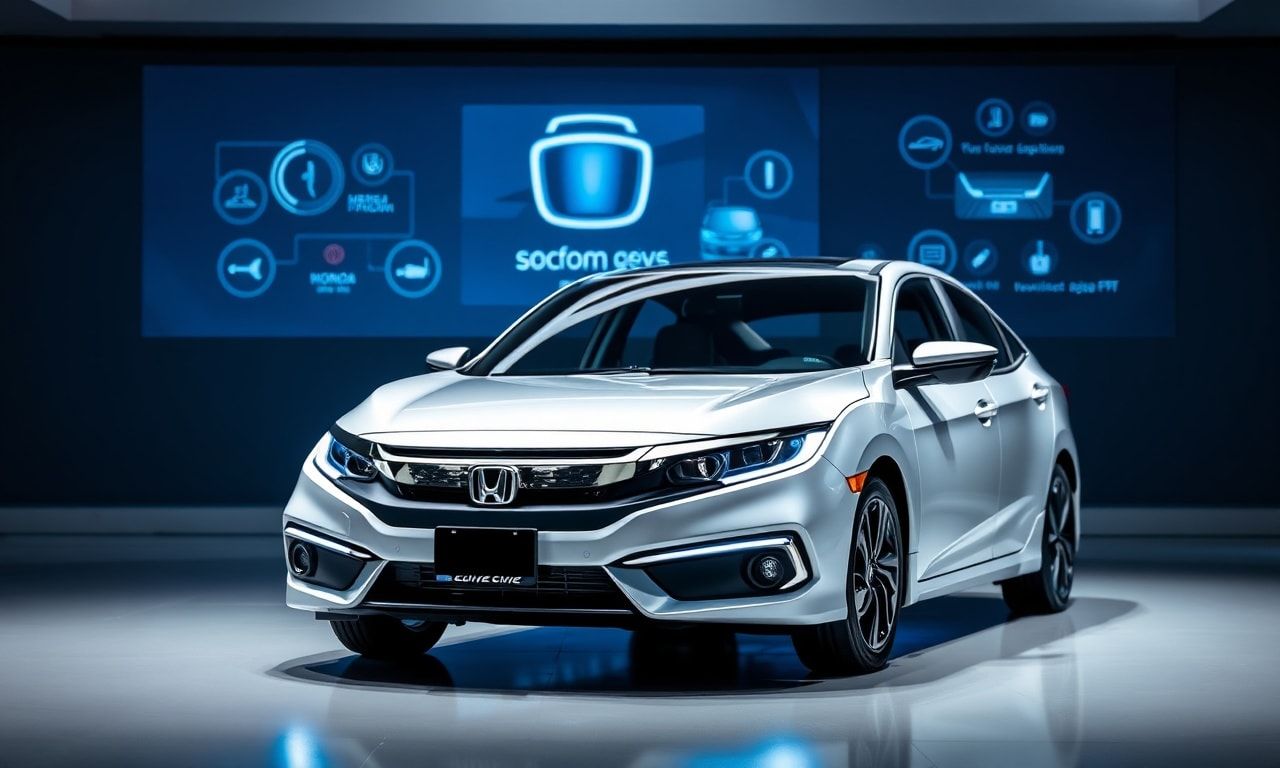
The automotive industry has witnessed a remarkable transformation over the past few decades, largely driven by advancements in technology. From the humble beginnings of car radios to the sophisticated infotainment systems of today, the evolution of in-car technology has been nothing short of revolutionary. Honda, a pioneer in automotive innovation, has consistently been at the forefront of this evolution, particularly with its iconic Civic model. The Honda Civic has not only set benchmarks in performance and design but has also been a trailblazer in integrating cutting-edge technology into the driving experience.
Infotainment Systems: The Heart of Modern Driving
One of the most significant advancements in in-car technology is the infotainment system. Modern infotainment systems are the nerve center of a vehicle, integrating navigation, entertainment, and connectivity features into a single, user-friendly interface. The Honda Civic’s infotainment system is a testament to this evolution, offering a seamless blend of functionality and ease of use. With features like Apple CarPlay and Android Auto integration, the Civic ensures that drivers can stay connected and entertained while on the road. These systems allow drivers to access their favorite apps, make hands-free calls, and navigate using real-time traffic updates, all from the comfort of their vehicle.
For those interested in exploring more about the latest in-car technologies, popular articles recommended reading can provide valuable insights into the latest gadgets and innovations that are shaping the future of driving. From advanced dash cams to smart car mounts, these articles offer a comprehensive look at the tools and technologies that can enhance the driving experience.
The Role of Artificial Intelligence in Modern Vehicles
Artificial Intelligence (AI) is another area where the Honda Civic is making significant strides. AI-powered features are becoming increasingly common in modern vehicles, offering a range of benefits from enhanced safety to improved convenience. For instance, AI-driven voice assistants can help drivers with tasks like sending messages, making calls, and even controlling the vehicle’s climate settings. These assistants use natural language processing to understand and respond to voice commands, making them an invaluable tool for drivers who need to keep their hands on the wheel and their eyes on the road.
Moreover, AI is also playing a crucial role in advanced driver-assistance systems (ADAS). Features like adaptive cruise control, lane-keeping assist, and automatic emergency braking rely on AI algorithms to analyze data from sensors and cameras in real-time. This allows the vehicle to make split-second decisions that can prevent accidents and ensure the safety of the driver and passengers. The Honda Civic’s ADAS features are designed to provide an extra layer of protection, helping drivers navigate challenging road conditions with confidence.
Cybersecurity: Protecting Your Vehicle from Digital Threats
As vehicles become more connected, the need for robust cybersecurity measures becomes increasingly important. The Honda Civic is equipped with advanced cybersecurity features designed to protect the vehicle’s network from potential threats. These features include encryption protocols, secure boot processes, and intrusion detection systems that monitor the vehicle’s network for any signs of unauthorized access. By implementing these measures, Honda ensures that the Civic’s infotainment system and other connected features remain secure, providing drivers with peace of mind.
In addition to these built-in security features, drivers can also take steps to enhance the security of their vehicle. Regular software updates can help patch any vulnerabilities that may arise, while using strong, unique passwords for connected accounts can prevent unauthorized access. By staying vigilant and proactive, drivers can ensure that their vehicle remains protected from digital threats.
The Future of In-Car Technology: What Lies Ahead
The future of in-car technology is bright, with advancements in AI, connectivity, and cybersecurity paving the way for even more innovative features. One area that is expected to see significant growth is the integration of augmented reality (AR) into the driving experience. AR technology can provide drivers with real-time information, such as navigation directions and hazard warnings, displayed directly on the windshield. This can help drivers stay focused on the road while still receiving critical information.
Another exciting development is the rise of autonomous driving technology. While fully autonomous vehicles are still a ways off, advancements in AI and sensor technology are bringing us closer to this reality. Features like self-parking and traffic jam assist are already available in many modern vehicles, and it is expected that these capabilities will continue to evolve, offering drivers even greater convenience and safety.
Conclusion
The Honda Civic has long been a leader in automotive innovation, and its commitment to integrating cutting-edge technology into the driving experience is evident in its latest models. From advanced infotainment systems to AI-powered safety features, the Civic offers a comprehensive suite of technologies designed to enhance the driving experience. As the automotive industry continues to evolve, it is clear that the Civic will remain at the forefront of this evolution, setting new standards for performance, safety, and connectivity. For those interested in exploring the latest in-car technologies, popular articles recommended reading can provide valuable insights into the tools and innovations that are shaping the future of driving.