
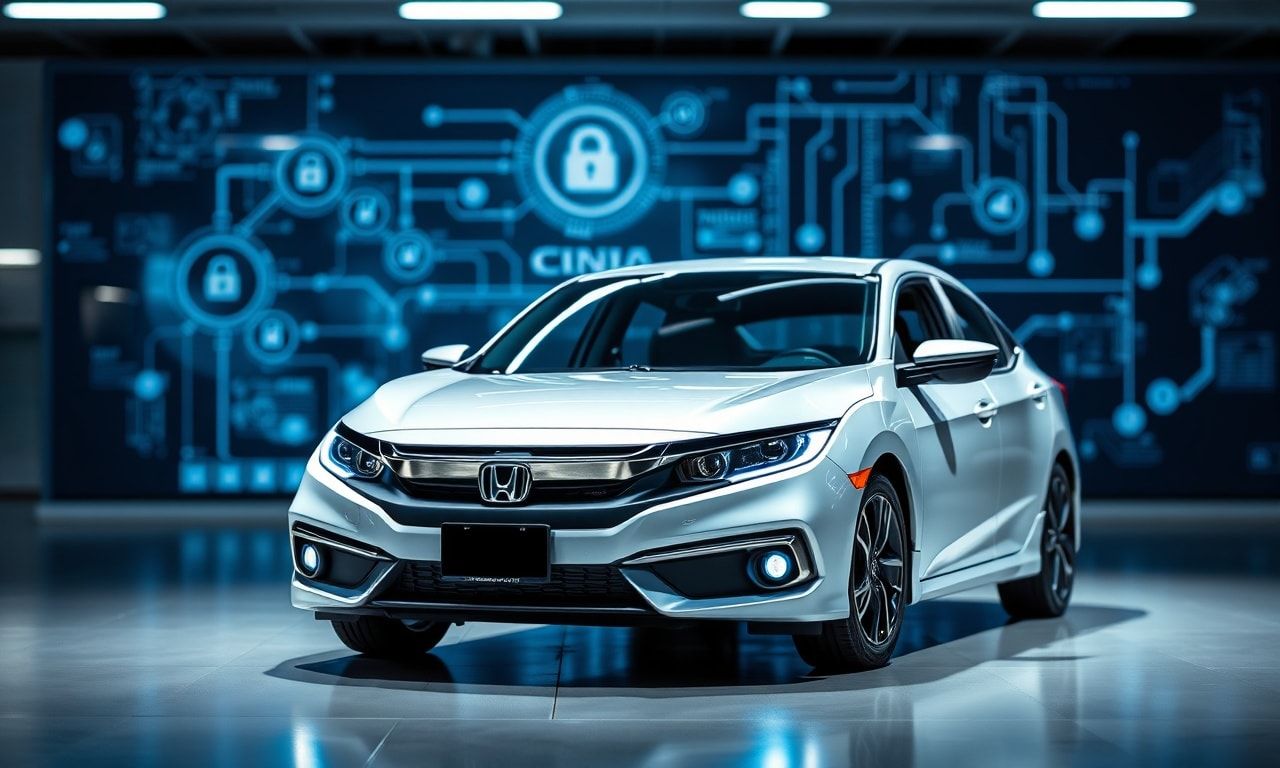
The Evolution of Automotive Technology
The automotive industry has witnessed a remarkable transformation over the past few decades, driven by rapid advancements in technology. From the introduction of electric vehicles to the integration of artificial intelligence (AI) and cybersecurity measures, the modern car is a marvel of engineering. Among the brands leading this charge is Honda, particularly with its iconic Civic model. The Honda Civic has consistently been at the forefront of technological innovation, setting new standards for performance, safety, and connectivity.
The Role of AI in Modern Vehicles
Artificial Intelligence has become a cornerstone of modern automotive technology. AI algorithms are used to enhance various aspects of driving, from predictive maintenance to advanced driver-assistance systems (ADAS). In the Honda Civic, AI is integrated to improve safety and convenience. For instance, AI-powered systems can analyze driving patterns to predict potential mechanical issues before they become critical, ensuring the vehicle remains in optimal condition. Additionally, AI-driven ADAS features, such as adaptive cruise control and lane-keeping assist, help drivers navigate complex traffic scenarios with greater ease and safety.
Moreover, AI is also utilized in the infotainment systems of modern vehicles. Natural language processing (NLP) enables voice-activated controls, allowing drivers to interact with their vehicles hands-free. This not only enhances convenience but also reduces distractions, contributing to safer driving conditions. The integration of AI in the Honda Civic exemplifies how technology can be harnessed to create a more intuitive and responsive driving experience.
The Importance of Cybersecurity in Connected Vehicles
As vehicles become increasingly connected, the importance of cybersecurity cannot be overstated. The Honda Civic, like many modern vehicles, is equipped with a range of connectivity features, including Wi-Fi hotspots and over-the-air (OTA) updates. While these features offer numerous benefits, they also introduce potential vulnerabilities that can be exploited by cybercriminals. To mitigate these risks, Honda has implemented robust cybersecurity measures to protect the vehicle’s systems and data.
One of the key aspects of cybersecurity in connected vehicles is the use of encryption. All data transmitted between the vehicle and external systems is encrypted to prevent unauthorized access. Additionally, Honda employs secure boot processes to ensure that only authorized software can be executed on the vehicle’s systems. This helps to prevent malicious software from compromising the vehicle’s functionality or safety features.
Furthermore, regular software updates are crucial for maintaining the security of connected vehicles. OTA updates allow Honda to quickly address any vulnerabilities that may be discovered, ensuring that the vehicle’s systems remain secure. For those interested in the broader implications of technology and investment, exploring tips investasi di pasar uang indonesia can provide valuable insights into how technological advancements are shaping various industries, including the automotive sector.
The Future of Automotive Technology
The future of automotive technology is poised for even greater advancements. As AI and cybersecurity continue to evolve, we can expect vehicles to become even more intelligent and secure. The Honda Civic is likely to play a significant role in this evolution, incorporating cutting-edge technologies to enhance the driving experience. For example, the integration of 5G connectivity will enable real-time data exchange between vehicles and infrastructure, paving the way for autonomous driving and smart cities.
Additionally, the development of quantum computing could revolutionize the way vehicles process and analyze data. Quantum computers have the potential to solve complex problems much faster than traditional computers, which could lead to breakthroughs in areas such as traffic management and predictive maintenance. As these technologies become more accessible, we can expect to see them integrated into the Honda Civic and other vehicles, further enhancing their capabilities and performance.
The Impact of Technological Advancements on the Automotive Industry
The impact of technological advancements on the automotive industry is profound. From improving safety and convenience to reducing environmental impact, technology is transforming the way we think about transportation. The Honda Civic, with its commitment to innovation, is at the forefront of this transformation. By embracing AI, cybersecurity, and other cutting-edge technologies, Honda is setting a new standard for the industry.
As we look to the future, it is clear that technology will continue to play a pivotal role in shaping the automotive landscape. The Honda Civic, with its focus on innovation and quality, is well-positioned to lead the way. Whether it is through the integration of AI, the implementation of robust cybersecurity measures, or the exploration of new technologies like 5G and quantum computing, the Honda Civic is poised to remain a leader in the automotive industry for years to come.
Discover the intersection of entertainment and technology in our latest feature, exploring the world of fun, where we delve into innovative software, cutting-edge gadgets, and AI-driven experiences that are reshaping leisure activities.
To discover how AI and automation are revolutionizing household chores, check out smart cleaning robots at home, a comprehensive guide on cutting-edge cleaning technology.
In the realm of tech and innovation, it’s crucial to understand the broader impacts on society, which is why we suggest exploring mental health’s economic ties and how a holistic approach can drive progress.
