
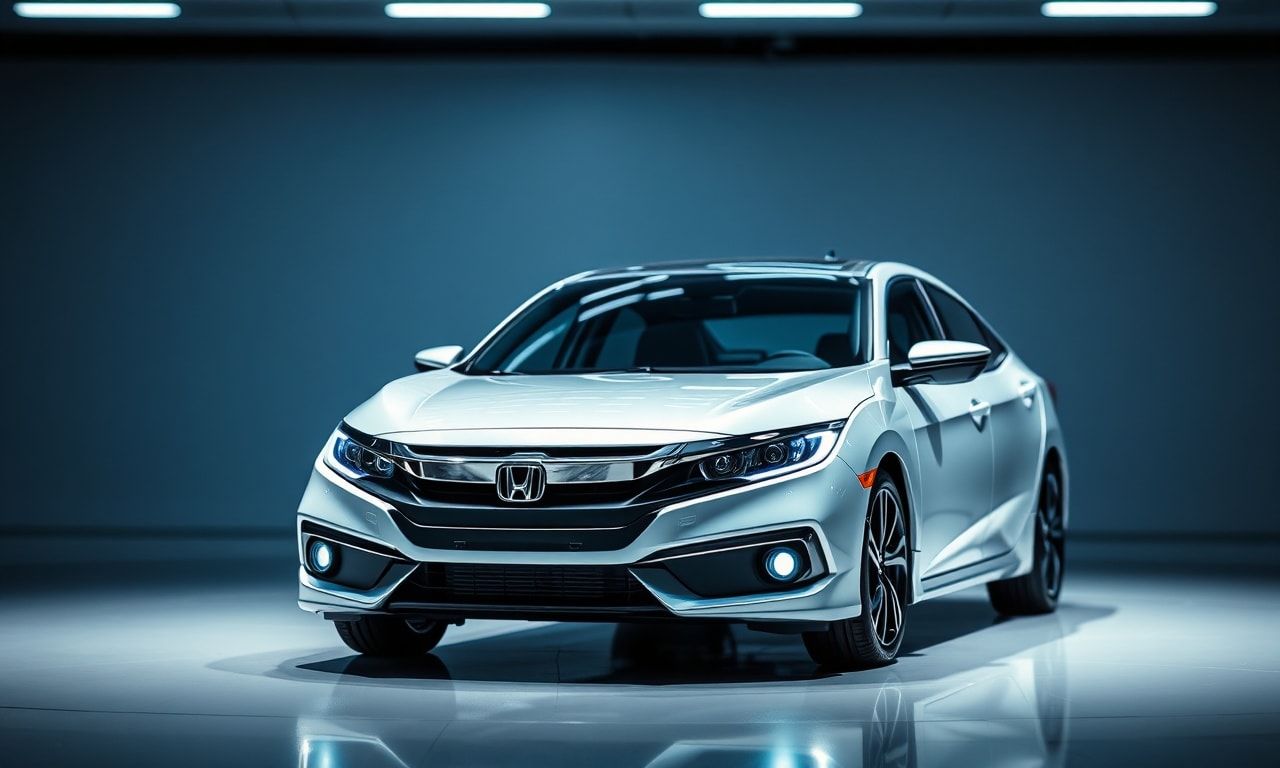
The Evolution of Honda Civic: A Technological Marvel
The Honda Civic has long been a benchmark in the automotive industry, not just for its reliability and performance but also for its integration of cutting-edge technology. From its inception, the Civic has embraced innovation, setting trends that other manufacturers strive to follow. As we look towards the future, the Civic continues to be at the forefront of technological advancements, incorporating features that enhance both the driving experience and vehicle safety.
Advanced Driver-Assistance Systems (ADAS)
One of the most significant technological advancements in recent Honda Civic models is the integration of Advanced Driver-Assistance Systems (ADAS). These systems leverage artificial intelligence and machine learning to provide a safer driving experience. Features such as adaptive cruise control, lane-keeping assist, and automatic emergency braking are now standard in many Civic models. These technologies not only reduce the risk of accidents but also make driving more convenient, especially during long journeys.
For instance, the Honda Sensing suite, which includes features like traffic jam assist and low-speed braking, is a testament to the brand’s commitment to safety. These systems use a combination of cameras, radar, and sensors to monitor the environment around the vehicle, providing real-time feedback to the driver. This level of integration is not just about convenience; it’s about creating a safer road environment for everyone.
The Role of AI in Modern Vehicles
Artificial intelligence is playing an increasingly crucial role in the automotive industry. AI-powered systems can analyze vast amounts of data to predict potential hazards and make real-time adjustments to the vehicle’s controls. For example, AI can detect patterns in traffic flow and adjust the vehicle’s speed and steering to ensure a smooth ride. This level of automation is not just about making driving easier; it’s about creating a more efficient and sustainable transportation system.
Moreover, AI is also being used to enhance the infotainment systems in modern vehicles. Voice-activated controls, personalized settings, and predictive maintenance are just a few examples of how AI is transforming the way we interact with our cars. As AI continues to evolve, we can expect even more innovative features to be integrated into future Honda Civic models.
Cybersecurity in the Age of Connected Cars
With the increasing connectivity of modern vehicles, cybersecurity has become a critical concern. The Honda Civic, like many other vehicles, is equipped with a range of connected features, from Bluetooth and Wi-Fi to over-the-air updates. While these features enhance the driving experience, they also create potential vulnerabilities that hackers could exploit.
To address these concerns, Honda has implemented robust cybersecurity measures to protect its vehicles from cyber threats. This includes the use of encryption, secure boot processes, and regular software updates to patch any vulnerabilities. Additionally, Honda collaborates with cybersecurity experts to stay ahead of emerging threats and ensure that its vehicles remain secure.
For those interested in the broader implications of technology and investment, the Bangladesh investment opportunities in 2026 guide provides valuable insights into how technological advancements are shaping the investment landscape in emerging markets. Understanding these trends can help investors make informed decisions and capitalize on the growing opportunities in the tech sector.
The Future of Electric and Hybrid Vehicles
The automotive industry is undergoing a significant shift towards electric and hybrid vehicles. Honda has been at the forefront of this transition, with the Civic Hybrid and the upcoming electric models. These vehicles not only reduce emissions but also offer a more efficient and cost-effective driving experience.
Electric vehicles (EVs) are powered by rechargeable batteries, which eliminate the need for traditional fuel. This not only reduces the carbon footprint but also lowers the cost of ownership over time. Hybrid vehicles, on the other hand, combine an internal combustion engine with an electric motor, providing the best of both worlds. These vehicles offer improved fuel efficiency and reduced emissions without compromising performance.
As the technology continues to evolve, we can expect even more innovative features to be integrated into future Honda Civic models. From advanced battery technologies to wireless charging, the possibilities are endless. This shift towards electric and hybrid vehicles is not just about sustainability; it’s about creating a more efficient and connected transportation system.
Conclusion
The Honda Civic has always been a pioneer in the automotive industry, and its commitment to technological innovation continues to set the standard. From advanced driver-assistance systems to cybersecurity measures and the shift towards electric and hybrid vehicles, the Civic is poised to lead the way into the future. As we look towards 2026 and beyond, the integration of AI, connectivity, and sustainability will shape the automotive landscape, and the Honda Civic will be at the forefront of these advancements.
For those interested in the broader implications of technology and investment, the Bangladesh investment opportunities in 2026 guide provides valuable insights into how technological advancements are shaping the investment landscape in emerging markets. Understanding these trends can help investors make informed decisions and capitalize on the growing opportunities in the tech sector.
Discover how cutting-edge tech is revolutionizing hair restoration with our latest feature on tech-driven hair transplant advancements, blending AI, robotics, and cybersecurity for unprecedented precision.
Dive deeper into the transformative world of digital finance by exploring cryptocurrency and blockchain advancements, a must-read for tech enthusiasts and cybersecurity professionals alike.
Readers interested in this subject may also want to explore Sağlıklı Bir Yaşam Tarzına Doğru Adımlar for additional perspectives.
