
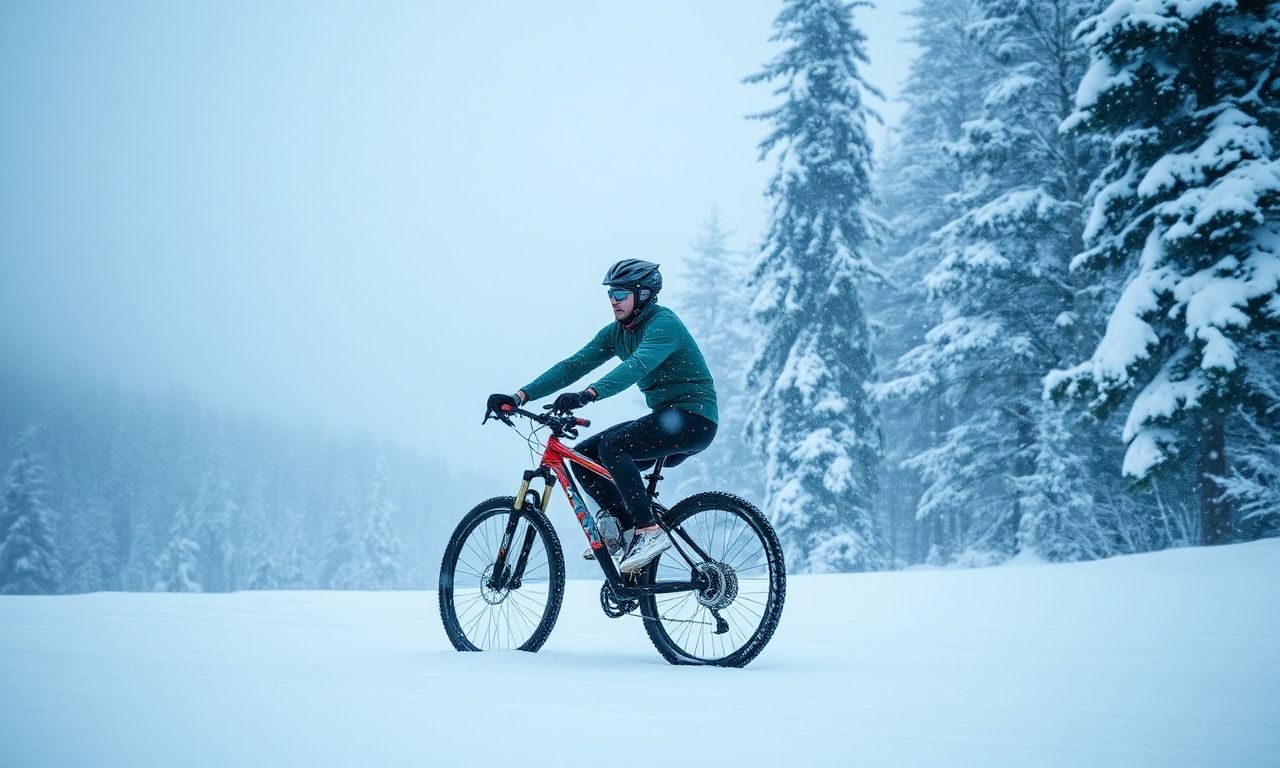
The Evolution of Winter Riding Technology
The advent of winter doesn’t have to mean the end of your riding season. With advancements in technology, riders can now extend their time on the road even as temperatures drop. From heated gear to advanced tire technologies, the market is brimming with innovations designed to make winter riding safer and more comfortable.
Essential Gear for Winter Riding
One of the most critical aspects of winter riding is staying warm without compromising safety. Heated jackets, gloves, and pants have become a staple for many riders. These garments use advanced heating elements that can be controlled via a simple interface, often integrated into the rider’s handlebar controls. Additionally, moisture-wicking base layers and windproof outer layers are essential for maintaining comfort in cold and wet conditions.
For those looking to enhance their winter riding experience, exploring resources like Honda bike winter riding essentials and advice can provide valuable insights and recommendations on the best gear and practices to adopt.
Heated Grips and Seats
Heated grips and seats are a game-changer for winter riders. These accessories provide direct heat to the hands and seat, ensuring that the rider remains warm and comfortable during long rides. Modern heated grips often come with adjustable temperature settings, allowing riders to customize their comfort level based on the weather conditions.
Advanced Tire Technologies
Tire technology has seen significant advancements in recent years, with many manufacturers offering winter-specific tires designed to provide better traction and stability on cold, wet, and icy roads. These tires feature unique tread patterns and compounds that enhance grip and reduce the risk of skidding. Investing in a good set of winter tires can make a world of difference in terms of safety and performance.
Tire Pressure Monitoring Systems
Tire pressure monitoring systems (TPMS) are another essential technology for winter riding. These systems alert riders to any changes in tire pressure, which can be crucial for maintaining optimal traction and handling in cold weather. Regularly checking and adjusting tire pressure is a simple yet effective way to ensure safety on the road.
Lighting and Visibility
Visibility is paramount during winter riding, especially in low-light conditions and adverse weather. Upgrading to high-intensity LED lights can significantly improve visibility for both the rider and other road users. Additionally, reflective gear and high-visibility clothing can make riders more noticeable to drivers, reducing the risk of accidents.
Anti-Fogging Solutions
Fogging can be a significant issue for riders in cold weather, as the difference in temperature between the inside and outside of the helmet can cause condensation to form. Anti-fogging solutions, such as special coatings or inserts, can help maintain clear visibility and ensure that riders can see the road ahead clearly.
Maintenance Tips for Winter Riding
Regular maintenance is crucial for ensuring that your bike is in top condition for winter riding. This includes checking the battery, ensuring that all fluids are at the correct levels, and inspecting the brakes and suspension for any signs of wear. Keeping your bike clean and dry is also essential for preventing corrosion and extending the life of your components.
Battery Care
Cold weather can have a significant impact on battery performance. Ensuring that your battery is fully charged and in good condition can help prevent starting issues and ensure that your bike is ready to go when you are. Consider using a battery tender during periods of inactivity to maintain optimal charge levels.
Chain and Drivetrain Maintenance
Regularly cleaning and lubricating your chain and drivetrain is essential for maintaining smooth operation and preventing excessive wear. Using a high-quality chain lube designed for cold weather conditions can help protect your drivetrain from the elements and ensure that it continues to perform at its best.
