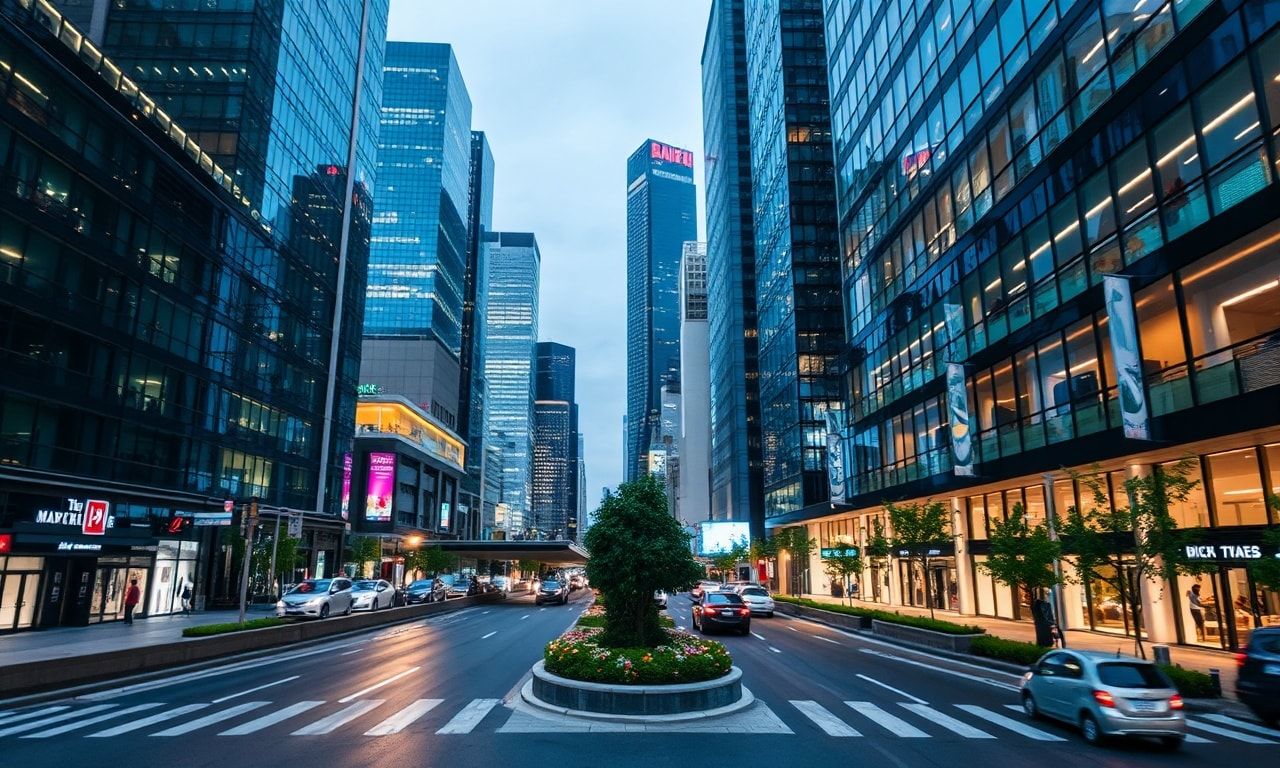
The Evolution of Smart Cities
The concept of smart cities has been gaining traction over the past decade, driven by rapid advancements in technology and the increasing need for sustainable urban living. Smart cities leverage a combination of Internet of Things (IoT) devices, data analytics, and artificial intelligence (AI) to enhance the quality of life for their residents. These cities are characterized by their ability to collect and analyze data from various sources, enabling them to make informed decisions that improve infrastructure, public services, and overall urban planning.
One of the key components of a smart city is its ability to integrate technology into everyday life seamlessly. For instance, smart traffic management systems use real-time data to optimize traffic flow, reducing congestion and pollution. Similarly, smart grids manage energy distribution more efficiently, ensuring that resources are used optimally. These innovations not only improve the living standards of residents but also contribute to the sustainability of urban environments.
The Role of IoT in Urban Development
The Internet of Things (IoT) plays a pivotal role in the development of smart cities. IoT devices, ranging from sensors to smart meters, collect vast amounts of data that are crucial for urban planning and management. For example, sensors embedded in roads can monitor traffic patterns and provide real-time updates to traffic management systems. This data can be used to reroute traffic, reduce travel time, and minimize the environmental impact of vehicles.
In addition to traffic management, IoT devices are also used in environmental monitoring. Air quality sensors, for instance, can detect pollution levels and trigger alerts when thresholds are exceeded. This information can be used to implement measures to improve air quality, such as restricting vehicle access to certain areas or promoting the use of public transportation. The integration of IoT technology into urban infrastructure is a testament to the potential of technology to transform cities into more livable and sustainable spaces.
Enhancing Public Services with Technology
Technology is also revolutionizing public services in smart cities. For example, smart waste management systems use sensors to monitor waste levels in bins and optimize collection routes. This not only reduces the cost of waste management but also ensures that public spaces are kept clean and hygienic. Similarly, smart lighting systems use motion sensors to adjust lighting levels based on usage, reducing energy consumption and costs.
Public safety is another area where technology is making a significant impact. Smart surveillance systems equipped with AI can detect suspicious activities and alert authorities in real-time. This proactive approach to public safety helps to prevent crimes and ensures the well-being of residents. Furthermore, emergency response systems can be enhanced with the use of data analytics, enabling faster and more efficient responses to emergencies.
The Importance of Cybersecurity in Smart Cities
As smart cities become more reliant on technology, the importance of cybersecurity cannot be overstated. The vast amounts of data collected and analyzed by smart city systems make them attractive targets for cybercriminals. A breach in the system could have severe consequences, ranging from the disruption of public services to the compromise of sensitive information.
To mitigate these risks, smart cities must implement robust cybersecurity measures. This includes the use of encryption to protect data, the implementation of multi-factor authentication to secure access to systems, and the regular updating of software to patch vulnerabilities. Additionally, cybersecurity awareness programs can educate residents and employees about the importance of cybersecurity and best practices for protecting personal and public data.
Creating Sustainable Urban Spaces
Sustainability is a key goal of smart cities. By leveraging technology, cities can reduce their environmental footprint and promote sustainable living. For instance, smart buildings equipped with energy-efficient systems can significantly reduce energy consumption. Similarly, the integration of renewable energy sources, such as solar and wind power, can help cities achieve their sustainability goals.
In addition to technological innovations, smart cities also focus on creating green spaces that promote biodiversity and improve the quality of life for residents. For example, urban gardening initiatives encourage residents to grow their own food, reducing the carbon footprint associated with food transportation. If you’re interested in come creare un giardino urbano, there are numerous resources available that provide guidance on setting up and maintaining urban gardens. These initiatives not only promote sustainable living but also foster a sense of community among residents.
The Future of Smart Cities
The future of smart cities is bright, with continuous advancements in technology paving the way for even more innovative solutions. For example, the integration of 5G technology will enable faster and more reliable communication between IoT devices, enhancing the efficiency of smart city systems. Additionally, the use of AI and machine learning will allow cities to analyze data more effectively, leading to better decision-making and improved services.
As smart cities continue to evolve, it is essential to ensure that technology is used responsibly and ethically. This includes addressing issues such as data privacy, digital inclusion, and the digital divide. By prioritizing these aspects, smart cities can ensure that the benefits of technology are accessible to all residents, regardless of their socio-economic background.
In conclusion, the intersection of technology and urban living holds immense potential for creating sustainable, efficient, and livable cities. By leveraging the power of IoT, AI, and data analytics, smart cities can address the challenges of urbanization and improve the quality of life for their residents. As technology continues to advance, the possibilities for smart cities are endless, and the future looks promising.