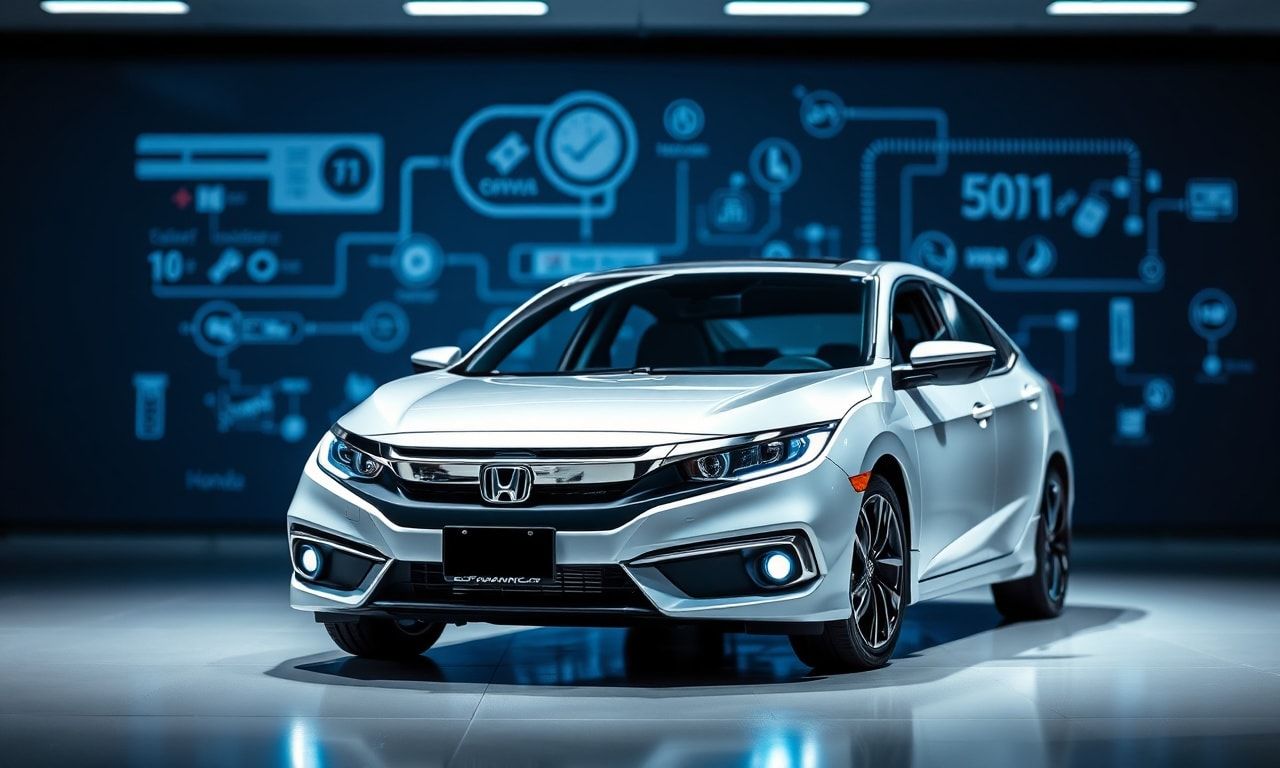
The Evolution of Honda Civic: A Technological Overview
The Honda Civic has long been a benchmark in the automotive industry, known for its reliability, efficiency, and innovative features. Over the years, Honda has consistently integrated cutting-edge technology into the Civic, making it a favorite among tech enthusiasts and everyday drivers alike. From advanced safety features to state-of-the-art infotainment systems, the Honda Civic continues to set the standard for what drivers expect from a modern vehicle.
Advanced Safety Features: A Cornerstone of Honda’s Commitment
Safety is a top priority for Honda, and the Civic is no exception. The latest models come equipped with Honda Sensing, a suite of advanced safety and driver-assistance technologies designed to help you stay safe on the road. Features like Collision Mitigation Braking System (CMBS), Road Departure Mitigation System (RDM), and Adaptive Cruise Control (ACC) work together to provide an extra layer of protection. These technologies use sensors and cameras to monitor the road ahead, alerting the driver to potential hazards and even taking corrective action if necessary.
In addition to these active safety features, the Civic also boasts a robust structural design that includes an Advanced Compatibility Engineering (ACE) body structure. This design helps to distribute crash energy more evenly, reducing the impact on passengers in the event of a collision. The Civic’s commitment to safety has earned it top ratings from organizations like the Insurance Institute for Highway Safety (IIHS) and the National Highway Traffic Safety Administration (NHTSA).
The Role of AI and Machine Learning in Modern Vehicles
Artificial Intelligence (AI) and machine learning are playing an increasingly important role in the development of modern vehicles. These technologies are used to enhance everything from infotainment systems to advanced driver-assistance features. For example, AI-powered voice recognition systems allow drivers to control various functions of their vehicle using simple voice commands. This not only makes driving more convenient but also helps to reduce distractions, making the roads safer for everyone.
Machine learning algorithms are also being used to improve the performance of advanced driver-assistance systems. By analyzing data from sensors and cameras, these algorithms can learn to recognize patterns and make predictions about potential hazards on the road. This allows the vehicle to take proactive measures to avoid accidents, such as applying the brakes or steering away from an obstacle. As AI and machine learning continue to evolve, we can expect to see even more advanced features in future models of the Honda Civic.
Infotainment and Connectivity: Staying Connected on the Go
In today’s connected world, staying in touch with friends, family, and the latest news is more important than ever. The Honda Civic offers a range of infotainment and connectivity features designed to keep you connected while on the go. The standard Honda Display Audio system includes a 7-inch touchscreen display, Bluetooth connectivity, and a four-speaker sound system. Higher trim levels offer even more advanced features, such as an 8-inch touchscreen display, Apple CarPlay and Android Auto integration, and a premium audio system.
For those who want to stay up-to-date on the latest popüler konular gündem tartışmaları, the Civic’s infotainment system allows you to easily access your favorite news and social media apps. Whether you’re listening to the latest podcast or catching up on the day’s headlines, the Civic’s advanced connectivity features make it easy to stay informed. Additionally, the Civic’s available wireless charging pad allows you to keep your devices powered up without the hassle of cords and cables.
The Importance of Cybersecurity in Modern Vehicles
As vehicles become more connected, the importance of cybersecurity cannot be overstated. Honda takes this issue seriously and has implemented a range of measures to protect the Civic from potential cyber threats. The vehicle’s onboard computer systems are designed with multiple layers of security, including encryption and firewalls, to prevent unauthorized access. Additionally, Honda regularly updates the Civic’s software to address any potential vulnerabilities and ensure that the vehicle remains secure.
Drivers can also take steps to protect their vehicle from cyber threats. For example, it’s important to keep your vehicle’s software up-to-date and to be cautious when connecting to public Wi-Fi networks. By taking these precautions, you can help to ensure that your Honda Civic remains secure and protected from potential cyber threats.
Looking Ahead: The Future of the Honda Civic
The future of the Honda Civic looks bright, with a range of exciting new features and technologies on the horizon. Honda is committed to continuing to innovate and integrate the latest advancements in automotive technology into the Civic. From advanced safety features to cutting-edge infotainment systems, the Civic is poised to remain a leader in the automotive industry for years to come.
As AI and machine learning continue to evolve, we can expect to see even more advanced features in future models of the Honda Civic. For example, autonomous driving technologies are expected to become increasingly common in the coming years, allowing drivers to relax and enjoy the ride while their vehicle handles the driving. Additionally, advancements in battery technology and electric vehicle infrastructure are paving the way for a future where electric vehicles like the Honda Civic become the norm.
In conclusion, the Honda Civic is a testament to Honda’s commitment to innovation and excellence in the automotive industry. With its advanced safety features, cutting-edge infotainment systems, and robust cybersecurity measures, the Civic is a vehicle that truly embodies the spirit of modern technology. As we look ahead to the future, it’s clear that the Honda Civic will continue to set the standard for what drivers expect from a modern vehicle.