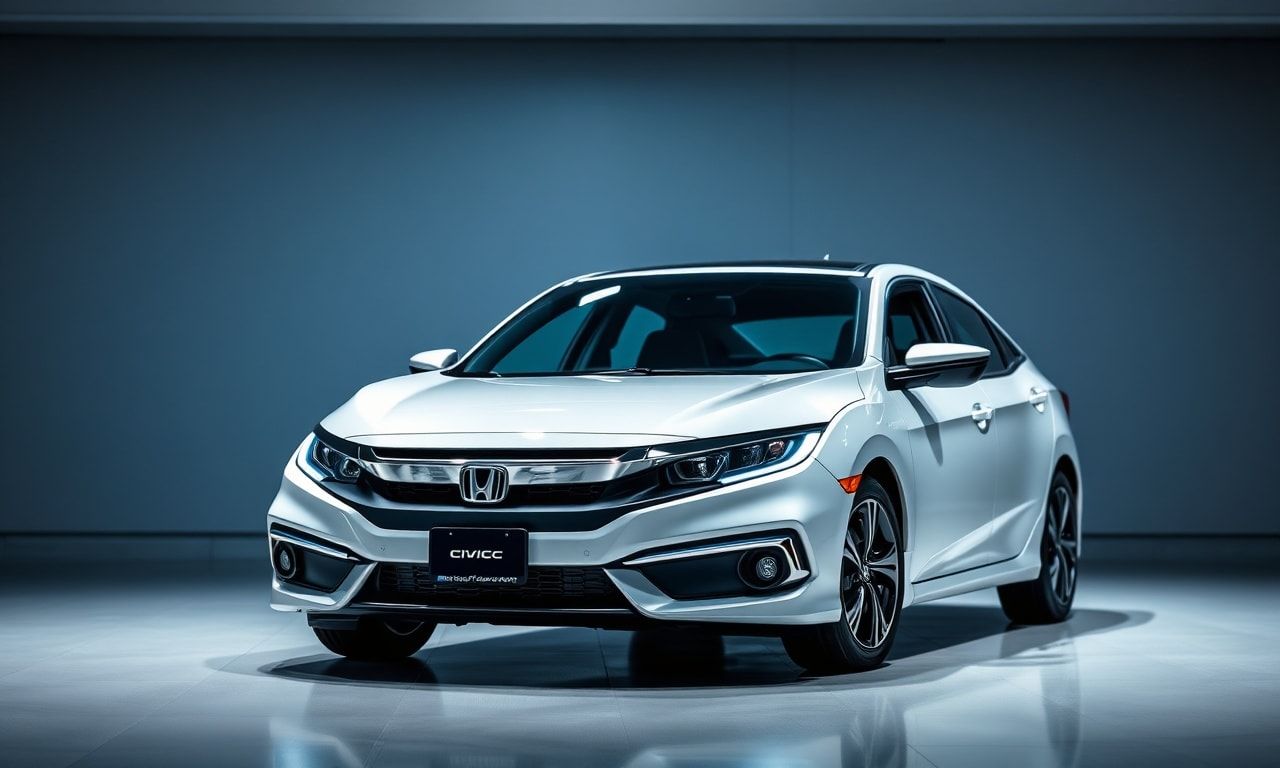
The Evolution of Honda Civic
The Honda Civic has long been a staple in the automotive industry, known for its reliability, efficiency, and innovative features. As technology advances, the Civic continues to evolve, incorporating cutting-edge tech that enhances both performance and user experience. This article delves into the latest technological innovations in the Honda Civic, exploring how these advancements are shaping the future of driving.
Advanced Driver-Assistance Systems (ADAS)
One of the most significant advancements in the Honda Civic is the integration of Advanced Driver-Assistance Systems (ADAS). These systems leverage artificial intelligence and sensor technology to provide a safer driving experience. Features such as adaptive cruise control, lane-keeping assist, and automatic emergency braking are now standard in many Civic models. These technologies not only enhance safety but also reduce driver fatigue, making long journeys more manageable.
The Role of AI in ADAS
Artificial intelligence plays a crucial role in the functionality of ADAS. Machine learning algorithms analyze data from various sensors to make real-time decisions. For instance, the system can detect potential collisions and apply brakes automatically, preventing accidents. Additionally, AI-powered voice assistants like Honda’s Cabin Watch and Cabin Talk can monitor the driver’s state and engage in conversation to keep them alert. These innovations are a testament to the growing influence of AI in the automotive sector.
Connectivity and Infotainment
The modern Honda Civic is equipped with state-of-the-art connectivity features that transform the driving experience. The latest models come with a high-resolution touchscreen display, Apple CarPlay, and Android Auto integration. These features allow drivers to seamlessly connect their smartphones to the vehicle’s infotainment system, providing access to navigation, music, and communication apps. The Civic’s wireless charging pad and multiple USB ports further enhance connectivity, ensuring that passengers stay connected on the go.
The Future of Infotainment
Looking ahead, the infotainment systems in vehicles like the Honda Civic are expected to become even more sophisticated. Augmented reality (AR) dashboards, for example, could project navigation instructions directly onto the windshield, providing drivers with real-time information without distracting them from the road. Additionally, the integration of virtual assistants like Amazon Alexa and Google Assistant could offer more personalized and intuitive user experiences. These advancements are poised to redefine the way we interact with our vehicles.
Cybersecurity in Automotive Technology
As vehicles become more connected, the importance of cybersecurity cannot be overstated. The Honda Civic incorporates robust security measures to protect against cyber threats. Encrypted communication protocols and secure software updates ensure that the vehicle’s systems remain protected from unauthorized access. Honda’s commitment to cybersecurity is evident in its ongoing efforts to stay ahead of potential vulnerabilities, providing drivers with peace of mind.
The Role of Blockchain
One emerging technology that could revolutionize automotive cybersecurity is blockchain. Blockchain’s decentralized and immutable nature makes it an ideal solution for securing vehicle data. By using blockchain technology, Honda can create a tamper-proof ledger of vehicle transactions and updates, ensuring the integrity of the data. This approach could also facilitate secure over-the-air (OTA) updates, allowing Honda to deliver software improvements and security patches remotely. The potential applications of blockchain in the automotive industry are vast and promising.
Sustainable Technology
In addition to technological advancements, the Honda Civic is also making strides in sustainability. The Civic Hybrid and Civic Type R models are designed with eco-friendly materials and efficient engines that reduce emissions. Honda’s commitment to sustainability is evident in its goal to achieve carbon neutrality by 2050. By integrating sustainable technology into the Civic, Honda is not only enhancing the driving experience but also contributing to a healthier planet.
The Future of Sustainable Mobility
The future of sustainable mobility is bright, with innovations like hydrogen fuel cells and electric vehicles (EVs) gaining traction. Honda is at the forefront of this movement, investing heavily in EV technology and exploring the potential of hydrogen fuel cells. The Civic could soon see electric variants that offer zero emissions and lower operating costs. These advancements align with global efforts to combat climate change and promote sustainable transportation. As the automotive industry continues to evolve, the Honda Civic will undoubtedly play a pivotal role in shaping the future of sustainable mobility.
For those interested in the latest trends and innovations in automotive technology, exploring resources like 2026 modası en trend markaları can provide valuable insights into the future of design and technology in the automotive sector.
As technology continues to evolve, smart accessories are becoming increasingly integral to our daily lives; delve into the future of tech with our latest feature, exploring intelligent wearables.
If you’re eager to stay ahead in the tech world, discover the breakthrough technologies shaping 2026 and how they will impact software, AI, and cybersecurity.
To understand how economic factors influence tech growth, consider exploring Pakistan’s evolving economic scene and its implications for innovation and investment.