
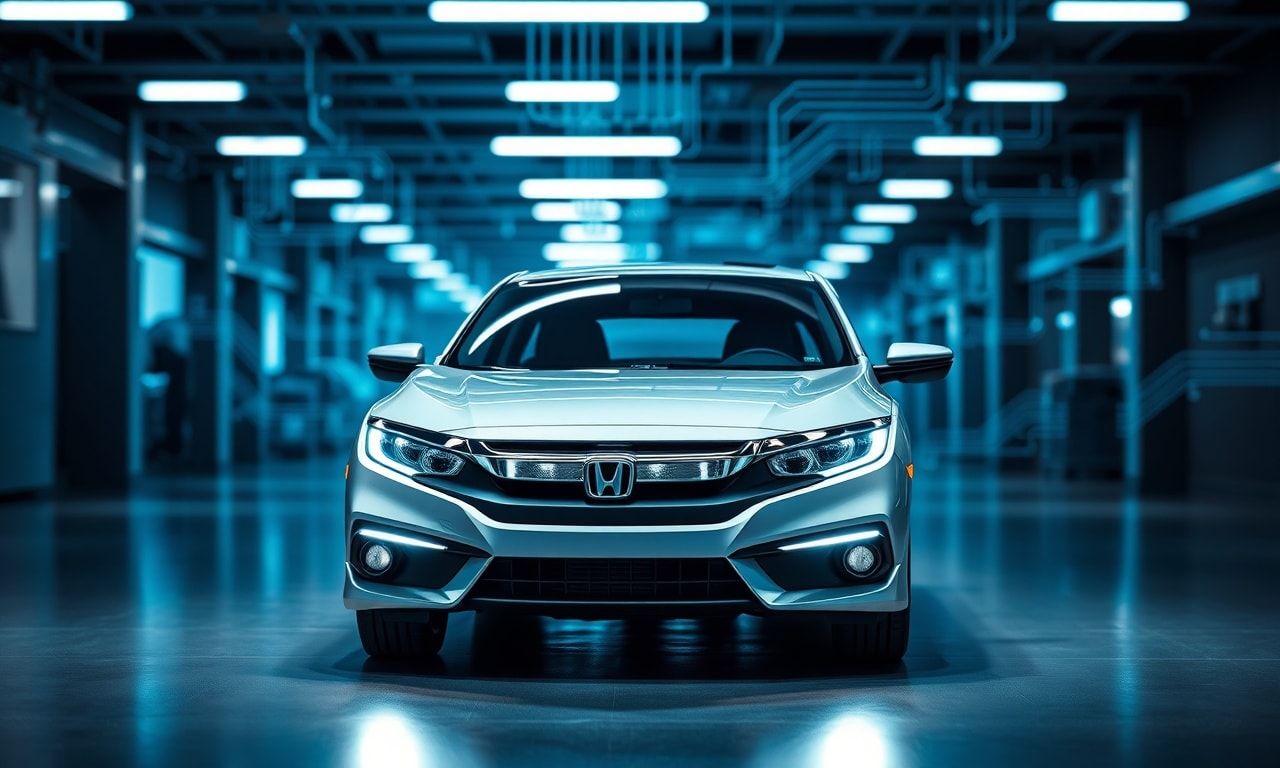
The Evolving Landscape of Automotive Cybersecurity
The automotive industry is undergoing a profound transformation, driven by the integration of advanced technologies. From connected infotainment systems to autonomous driving features, modern vehicles like the Honda Civic are becoming increasingly sophisticated. However, this technological evolution brings with it a new set of challenges, particularly in the realm of cybersecurity. As vehicles become more connected, they also become more vulnerable to cyber threats. Understanding these risks and the measures taken to mitigate them is crucial for any tech-savvy Honda Civic owner.
The Importance of Cybersecurity in Modern Vehicles
Cybersecurity in the automotive sector is not just about protecting personal data; it’s about ensuring the safety of the vehicle and its occupants. A compromised vehicle can lead to a range of issues, from unauthorized access to critical systems to potential accidents caused by malicious actors. The Honda Civic, known for its reliability and advanced features, is no exception to these risks. As vehicles become more connected, the need for robust cybersecurity measures becomes paramount. Manufacturers like Honda are investing heavily in research and development to stay ahead of potential threats.
Common Cyber Threats to Vehicles
Vehicles today are equipped with a variety of connected systems, including infotainment systems, telematics, and advanced driver-assistance systems (ADAS). Each of these systems can be a potential entry point for cybercriminals. Some of the most common cyber threats to vehicles include:
- Remote Hacking: Cybercriminals can exploit vulnerabilities in a vehicle’s software to gain remote access to critical systems.
- Data Theft: Personal data stored in the vehicle’s infotainment system can be targeted by hackers.
- Malware Attacks: Malicious software can be introduced into the vehicle’s systems, leading to malfunctions and potential safety risks.
- Denial of Service (DoS) Attacks: These attacks can overwhelm a vehicle’s systems, rendering them inoperable.
The Role of Software Updates in Cybersecurity
One of the most effective ways to protect a vehicle from cyber threats is through regular software updates. These updates often include patches for known vulnerabilities and improvements to the vehicle’s security systems. Honda, like many other manufacturers, provides over-the-air (OTA) updates for its vehicles, ensuring that the latest security measures are in place. For Honda Civic owners, staying informed about these updates and ensuring they are installed promptly is crucial. Additionally, keeping an eye on breaking news in cybersecurity can help owners stay ahead of potential threats and understand the importance of timely updates.
Best Practices for Enhancing Vehicle Cybersecurity
While manufacturers play a significant role in ensuring vehicle cybersecurity, there are steps that Honda Civic owners can take to enhance their vehicle’s protection. These best practices can help mitigate the risks associated with connected vehicles:
- Regular Software Updates: Ensure that your vehicle’s software is always up to date. This includes both the infotainment system and any advanced driver-assistance systems.
- Secure Wi-Fi Connections: Avoid connecting your vehicle to public Wi-Fi networks, as these can be easily compromised. Use a secure, private network whenever possible.
- Strong Passwords: If your vehicle has a connected infotainment system, use strong, unique passwords to protect your personal data.
- Monitor for Suspicious Activity: Be vigilant for any unusual behavior or malfunctions in your vehicle’s systems. Report any concerns to your dealership or manufacturer immediately.
The Future of Automotive Cybersecurity
The future of automotive cybersecurity is likely to be shaped by advancements in artificial intelligence (AI) and machine learning (ML). These technologies can be used to detect and respond to cyber threats in real-time, providing an additional layer of protection for vehicles like the Honda Civic. Additionally, the development of standardized cybersecurity protocols and regulations will play a crucial role in ensuring the safety of connected vehicles. As the automotive industry continues to evolve, so too will the measures taken to protect vehicles from cyber threats.
In conclusion, the intersection of cybersecurity and automotive technology is a critical area of focus for manufacturers and consumers alike. For Honda Civic owners, understanding the risks and taking proactive steps to enhance their vehicle’s security is essential. By staying informed and following best practices, owners can ensure that their vehicles remain safe and secure in the digital age.
As technology continues to evolve, understanding the future of energy storage is crucial; delve into innovative energy storage solutions shaping tomorrow’s tech landscape.
