
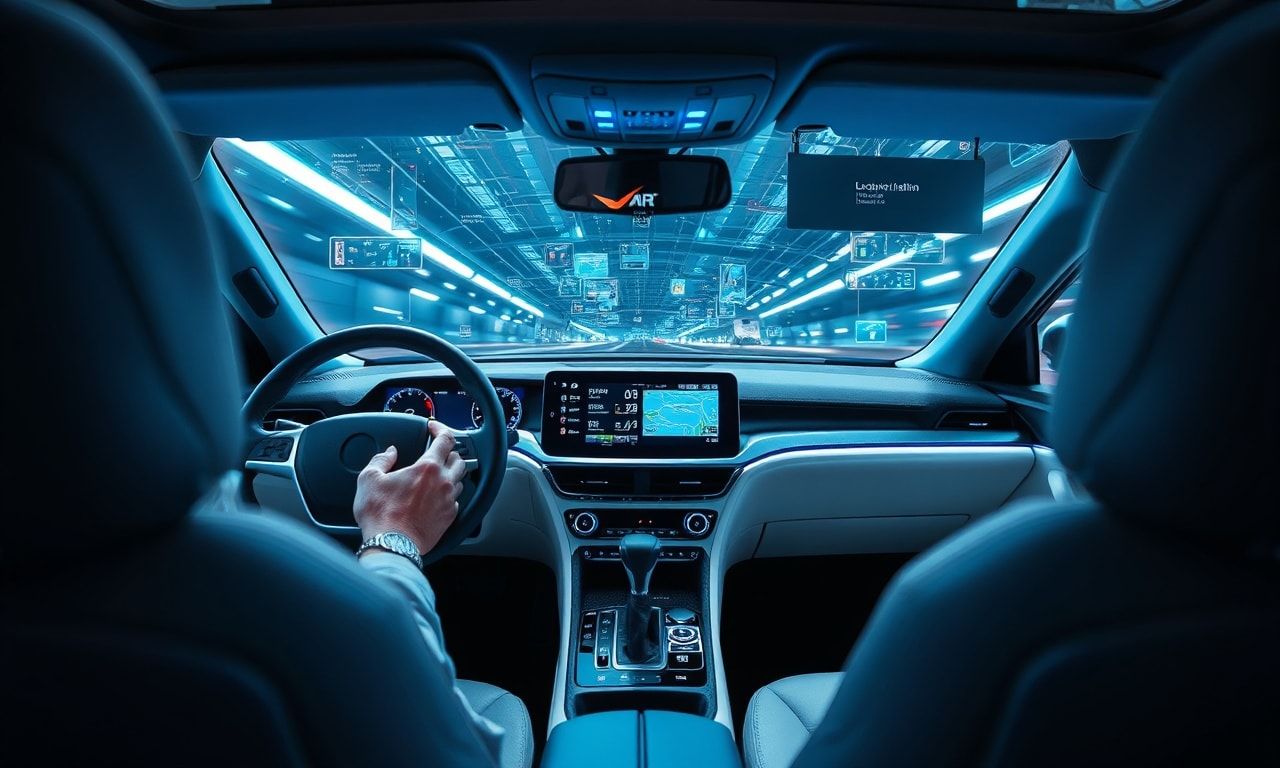
The Evolution of In-Car Technology
The automotive industry has seen a significant shift towards integrating advanced technology into vehicles. This transformation is not just about enhancing performance but also about creating a seamless and intuitive driving experience. As we look towards 2026, the advancements in in-car technology are set to redefine the way we interact with our vehicles. From artificial intelligence to advanced driver-assistance systems, the future of in-car technology is promising and exciting.
Artificial Intelligence in Vehicles
Artificial Intelligence (AI) is at the forefront of the technological revolution in the automotive industry. AI-powered systems are being developed to enhance various aspects of driving, from navigation to safety. For instance, AI algorithms can analyze traffic patterns and suggest the most efficient routes, reducing travel time and fuel consumption. Additionally, AI can be used to monitor driver behavior and provide real-time feedback, promoting safer driving habits. The integration of AI in vehicles is not just about convenience but also about creating a more sustainable and efficient driving experience.
AI-Powered Voice Assistants
One of the most significant advancements in AI technology for vehicles is the development of AI-powered voice assistants. These assistants can perform a wide range of tasks, from adjusting the climate control to providing real-time traffic updates. They can also be used to control various infotainment systems, allowing drivers to keep their hands on the wheel and their eyes on the road. The integration of AI-powered voice assistants in vehicles is set to revolutionize the way we interact with our cars, making the driving experience more intuitive and enjoyable.
Advanced Driver-Assistance Systems (ADAS)
Advanced Driver-Assistance Systems (ADAS) are another area where significant advancements are being made. These systems use a combination of sensors, cameras, and radar to monitor the vehicle’s surroundings and provide real-time feedback to the driver. ADAS can help prevent accidents by alerting the driver to potential hazards, such as pedestrians or other vehicles. They can also assist with parking, lane-changing, and speed control, making the driving experience safer and more efficient. As we look towards 2026, the integration of ADAS in vehicles is set to become more widespread, making our roads safer for everyone.
The Role of ADAS in Autonomous Vehicles
ADAS plays a crucial role in the development of autonomous vehicles. These systems provide the necessary data and feedback to enable vehicles to navigate complex environments safely. As the technology continues to evolve, we can expect to see more advanced ADAS features integrated into autonomous vehicles, such as advanced object detection and collision avoidance systems. The integration of ADAS in autonomous vehicles is set to revolutionize the way we think about transportation, making it safer, more efficient, and more sustainable.
The Importance of Cybersecurity in Vehicles
As vehicles become more connected and reliant on technology, the importance of cybersecurity cannot be overstated. The integration of advanced technologies in vehicles creates new vulnerabilities that can be exploited by cybercriminals. To address this, automakers are investing heavily in cybersecurity measures to protect vehicles from potential threats. This includes the development of secure software and hardware systems, as well as the implementation of robust encryption and authentication protocols. As we look towards 2026, the focus on cybersecurity in the automotive industry is set to become even more critical, ensuring that our vehicles remain safe and secure.
Cybersecurity Measures in Honda Civic
For those interested in the latest advancements in vehicle technology, the Honda Civic tech guide and features for 2026 provides a comprehensive overview of the latest features and technologies integrated into the Honda Civic. This guide highlights the importance of cybersecurity in modern vehicles and provides insights into the measures being taken to protect vehicles from potential threats. By understanding the latest advancements in vehicle technology, we can make informed decisions about the vehicles we drive and ensure that we are always protected on the road.
The Future of In-Car Entertainment
The future of in-car entertainment is set to be revolutionized by the integration of advanced technologies. From virtual reality to augmented reality, the possibilities are endless. These technologies can be used to create immersive and engaging experiences for passengers, making long journeys more enjoyable. Additionally, the integration of advanced infotainment systems can provide passengers with access to a wide range of entertainment options, from streaming services to interactive games. As we look towards 2026, the future of in-car entertainment is set to become more exciting and engaging than ever before.
Virtual Reality and Augmented Reality in Vehicles
Virtual Reality (VR) and Augmented Reality (AR) are two technologies that are set to revolutionize the way we experience in-car entertainment. VR can be used to create immersive and engaging experiences for passengers, allowing them to escape into a virtual world while on the road. AR, on the other hand, can be used to overlay digital information onto the real world, enhancing the driving experience and providing passengers with access to a wide range of entertainment options. The integration of VR and AR in vehicles is set to create a new era of in-car entertainment, making long journeys more enjoyable and engaging.
As we dive into the summer of 2024, it’s not just about the latest tech gadgets and AI advancements, but also about expressing your personal style with confidence; discover the vibrant fashion trends shaping this season in summer’s boldest fashion statements.
As vehicles become increasingly connected, understanding the cybersecurity challenges in automotive tech is crucial for both developers and consumers in today’s tech-driven world.
To enhance your tech business’s efficiency and security, consider exploring key strategies for operational success that align with modern innovations and AI advancements.
