
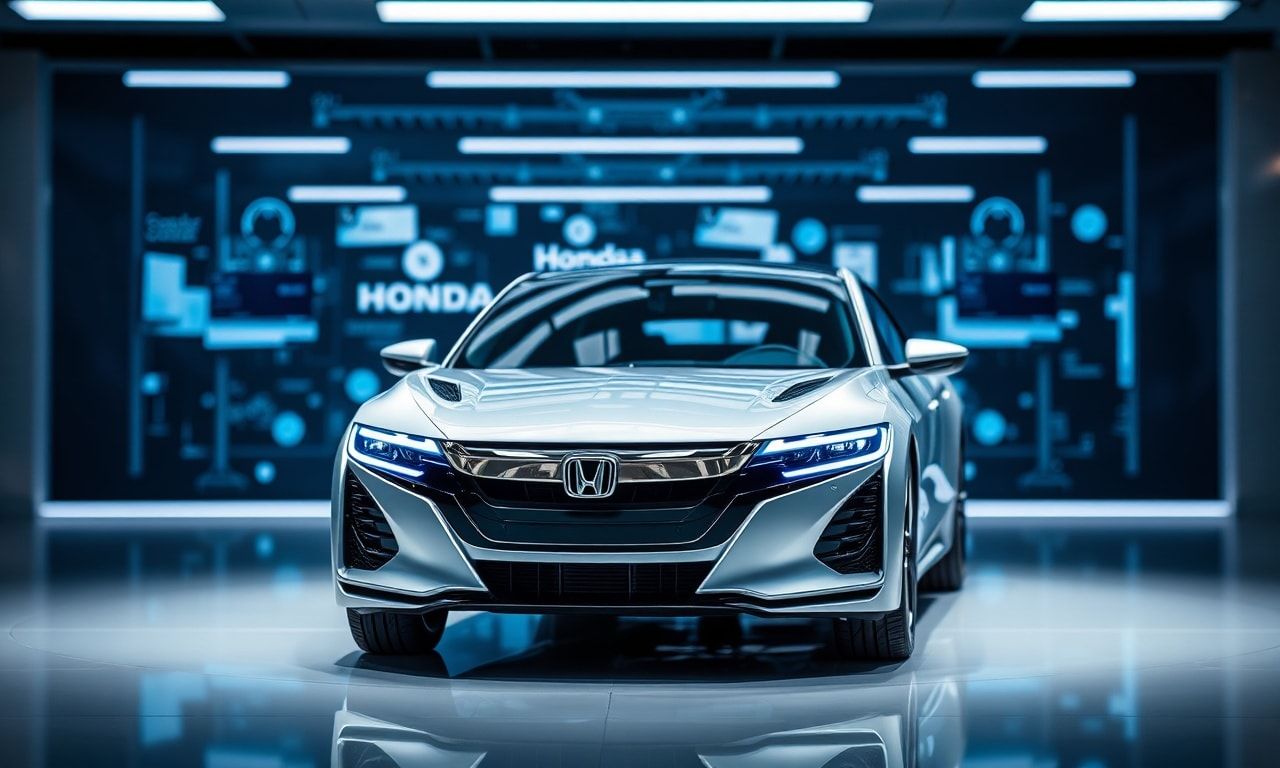
The Evolution of Automotive Technology
The automotive industry has witnessed a remarkable transformation over the past few decades, driven by rapid advancements in technology. From the early days of mechanical innovations to the current era of artificial intelligence and connectivity, the evolution of automotive technology has been nothing short of revolutionary. Honda, a pioneer in the automotive sector, has consistently been at the forefront of this evolution, introducing groundbreaking technologies that enhance performance, safety, and user experience.
Honda’s Commitment to Innovation
Honda’s commitment to innovation is evident in its continuous investment in research and development. The company’s focus on cutting-edge technologies has led to the development of advanced features such as the Honda Sensing suite, which includes collision mitigation braking, road departure mitigation, and adaptive cruise control. These technologies not only improve the driving experience but also significantly enhance safety on the roads.
The Role of Artificial Intelligence in Modern Vehicles
Artificial intelligence (AI) is playing an increasingly crucial role in modern vehicles. AI-powered systems can analyze vast amounts of data in real-time, enabling vehicles to make informed decisions and adapt to changing conditions. For instance, AI algorithms can optimize fuel efficiency, predict maintenance needs, and even enhance the entertainment system by learning the preferences of the driver. Honda’s integration of AI into its vehicles is a testament to its dedication to leveraging technology for the betterment of the driving experience.
In addition to AI, Honda is also exploring the potential of machine learning and deep learning technologies. These advanced techniques allow vehicles to improve their performance over time by learning from their environment and user behavior. For example, machine learning algorithms can be used to develop adaptive cruise control systems that adjust speed based on traffic conditions and driver habits. This level of personalization not only enhances comfort but also contributes to overall road safety.
The Importance of Cybersecurity in Connected Vehicles
As vehicles become more connected, the importance of cybersecurity cannot be overstated. With the increasing integration of internet-connected features, vehicles are becoming more vulnerable to cyber threats. Honda recognizes this challenge and has implemented robust cybersecurity measures to protect its vehicles from potential attacks. The company’s focus on cybersecurity ensures that drivers can enjoy the benefits of connected technologies without compromising their safety and privacy.
One of the key aspects of Honda’s cybersecurity strategy is the use of encryption and secure communication protocols. These measures ensure that data transmitted between the vehicle and external systems is protected from unauthorized access. Additionally, Honda conducts regular security audits and penetration testing to identify and address potential vulnerabilities. By staying ahead of emerging threats, Honda is able to provide its customers with a secure and reliable driving experience.
The Future of Automotive Technology
The future of automotive technology is bright, with numerous innovations on the horizon. Honda is actively exploring emerging technologies such as autonomous driving, electric vehicles, and vehicle-to-everything (V2X) communication. These advancements promise to revolutionize the way we interact with our vehicles, making them more efficient, safer, and environmentally friendly.
Autonomous driving is one of the most exciting areas of development in the automotive industry. Honda is investing heavily in this technology, aiming to create vehicles that can navigate complex environments with minimal human intervention. The integration of autonomous driving technologies with AI and machine learning will enable vehicles to make real-time decisions based on a wide range of factors, including traffic conditions, weather, and road infrastructure.
Electric vehicles (EVs) are another area of focus for Honda. As the world shifts towards sustainable energy solutions, the demand for EVs is expected to grow significantly. Honda is committed to developing advanced EV technologies that offer improved range, faster charging times, and enhanced performance. The company’s research in battery technology and energy management systems is paving the way for a future where EVs are a mainstream choice for consumers.
Vehicle-to-everything (V2X) communication is an emerging technology that enables vehicles to communicate with each other and with the surrounding infrastructure. This technology has the potential to significantly improve traffic flow, reduce accidents, and enhance the overall driving experience. Honda is actively involved in the development of V2X communication systems, aiming to create a seamless and interconnected transportation ecosystem.
Health and Wellness in the Digital Age
While Honda focuses on automotive innovations, it’s also important to consider the broader impact of technology on our daily lives. The integration of technology into healthcare is one such area that has seen significant advancements. For instance, natural treatment methods and digital health solutions are becoming increasingly popular. Websites like doğal tedavi yöntemleri güncel güncelleme güncel güncelleme güncel güncelleme güncelleme provide valuable resources and updates on natural treatment methods, highlighting the importance of holistic approaches to health and wellness in the digital age.
Conclusion
The future of automotive technology is filled with exciting possibilities. Honda’s commitment to innovation and its focus on cutting-edge technologies are setting new standards in the industry. From AI and machine learning to cybersecurity and autonomous driving, Honda is at the forefront of developing technologies that enhance the driving experience. As we look ahead, the integration of these technologies with other digital health solutions will continue to shape the way we interact with our vehicles and our overall well-being.
To understand how technology is reshaping our daily lives, delve into how tech innovations transform routines and explore the latest trends in software, AI, and cybersecurity.
As technology continues to shape our world, understanding its impact on cultural expressions is crucial; delve into art’s global cultural influence to explore this dynamic intersection.
Dive into the heart of digital transformation with our latest feature on Liverpool’s booming tech innovations, where we explore the city’s rapid advancements in software, AI, and cybersecurity.
