The Evolution of In-Car Technology
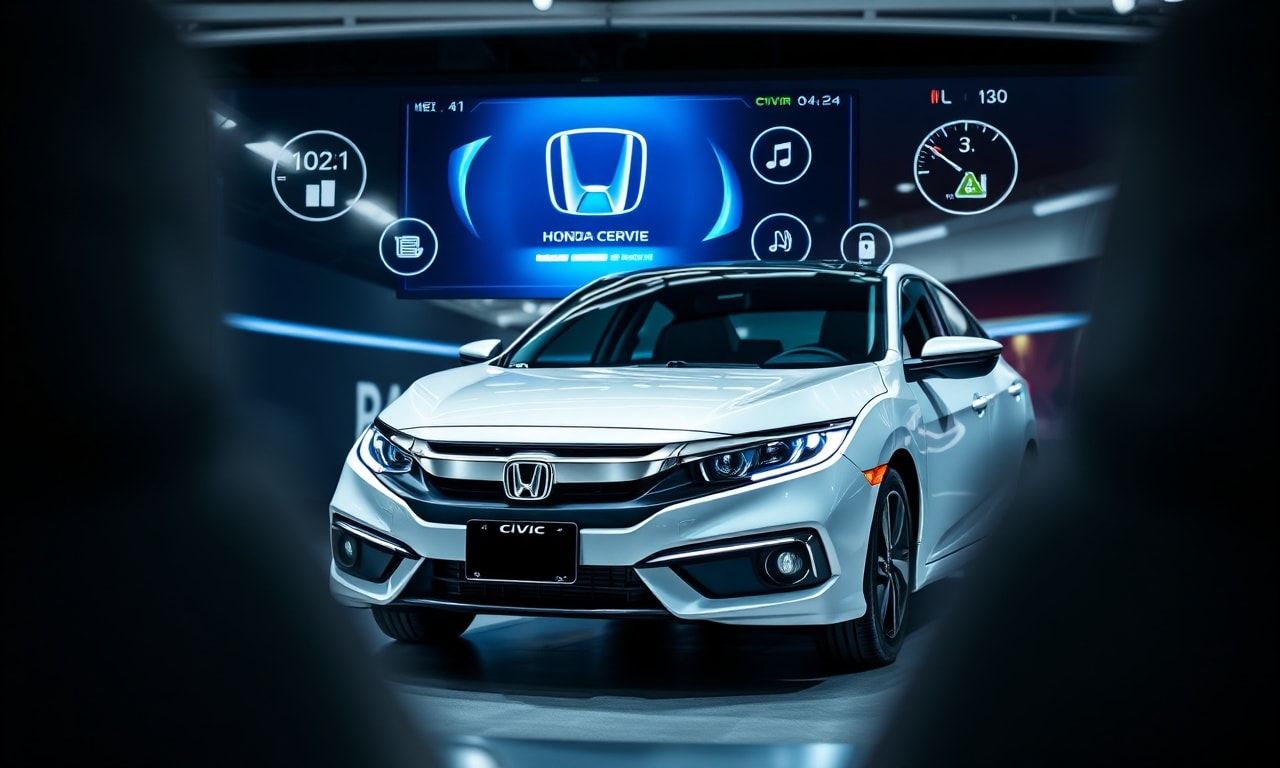
The automotive industry has witnessed a significant transformation over the past few decades, largely driven by advancements in technology. From the humble beginnings of car radios to the sophisticated infotainment systems of today, the evolution of in-car technology has been nothing short of remarkable. Honda, a pioneer in automotive innovation, has consistently been at the forefront of this evolution, particularly with its Civic model. The Honda Civic has always been a benchmark for integrating cutting-edge technology into everyday driving experiences.
Infotainment Systems: The Heart of Modern Driving
Infotainment systems have become the heart of modern driving experiences. These systems integrate various functions such as navigation, entertainment, communication, and vehicle control into a single interface. The Honda Civic’s infotainment system is a testament to this integration, offering features like Apple CarPlay and Android Auto compatibility, which allow drivers to seamlessly connect their smartphones to the car’s interface. This integration enables access to a wide range of apps, including music streaming services, navigation apps, and communication tools, making the driving experience more convenient and enjoyable.
Moreover, the Civic’s infotainment system is designed with user experience in mind. The intuitive interface ensures that drivers can easily navigate through various functions without taking their eyes off the road. This focus on user experience is crucial, especially when considering the importance of safety in driving. By providing a user-friendly interface, Honda ensures that drivers can access the information they need without compromising their focus on the road.
The Role of AI in Enhancing Driving Experiences
Artificial Intelligence (AI) is playing an increasingly significant role in enhancing driving experiences. AI-powered features such as voice recognition, predictive maintenance, and adaptive cruise control are becoming standard in modern vehicles. The Honda Civic is no exception, with its advanced AI features designed to make driving safer and more efficient. For instance, the Civic’s AI-powered voice recognition system allows drivers to control various functions of the car using voice commands, reducing the need for manual interaction and minimizing distractions.
Additionally, AI is being used to enhance the safety features of the Honda Civic. The car’s advanced driver-assistance systems (ADAS) use AI algorithms to detect potential hazards on the road and alert the driver accordingly. These systems can identify pedestrians, cyclists, and other vehicles, providing real-time warnings and even taking corrective actions if necessary. This integration of AI into the Civic’s safety features demonstrates Honda’s commitment to leveraging technology to create safer roads.
Cybersecurity in the Age of Connected Cars
As vehicles become more connected, the importance of cybersecurity cannot be overstated. Connected cars are vulnerable to cyber threats, which can compromise the safety and privacy of drivers and passengers. Honda has recognized this challenge and has implemented robust cybersecurity measures to protect the Civic and its occupants. The car’s infotainment system is equipped with advanced encryption protocols to safeguard data transmitted between the car and external devices.
Furthermore, Honda has partnered with leading cybersecurity firms to conduct regular security audits and updates. These measures ensure that the Civic’s software is up-to-date and protected against the latest cyber threats. By prioritizing cybersecurity, Honda is setting a new standard for the automotive industry, demonstrating that connected cars can be both innovative and secure.
The Future of In-Car Technology
The future of in-car technology is bright, with advancements in AI, cybersecurity, and connectivity paving the way for even more sophisticated driving experiences. As technology continues to evolve, we can expect to see more innovative features integrated into vehicles like the Honda Civic. For example, the integration of augmented reality (AR) into infotainment systems could provide drivers with real-time information about their surroundings, enhancing both safety and convenience.
Moreover, the rise of electric vehicles (EVs) is set to revolutionize the automotive industry. Honda is already making strides in this area, with plans to introduce more electric models in the coming years. The integration of advanced technology into EVs will further enhance the driving experience, making it more efficient, sustainable, and enjoyable. As the industry continues to evolve, Honda’s commitment to innovation will ensure that the Civic remains at the forefront of in-car technology.
Conclusion
The Honda Civic has always been a benchmark for integrating cutting-edge technology into everyday driving experiences. From advanced infotainment systems to AI-powered safety features, the Civic demonstrates Honda’s commitment to innovation and user experience. As technology continues to evolve, we can expect to see even more sophisticated features integrated into the Civic, making it a leader in the automotive industry. For those looking to stay updated on the latest tech innovations, including the best product reviews recommendation guide, exploring resources like product reviews recommendation guide can provide valuable insights and recommendations.
As smart homes become increasingly integrated with AI, a new era of connectivity is emerging; delve into AI-driven home automation advancements to understand the latest innovations and their implications.
Discover how cutting-edge gadgets are revolutionizing personal wellness in our latest feature, smart tech for health, and learn about the seamless integration of technology in everyday life.
As remote work becomes the new normal, discover how Taiwan’s tech sector adapts swiftly with innovative solutions and robust cybersecurity measures to support this digital transformation.