
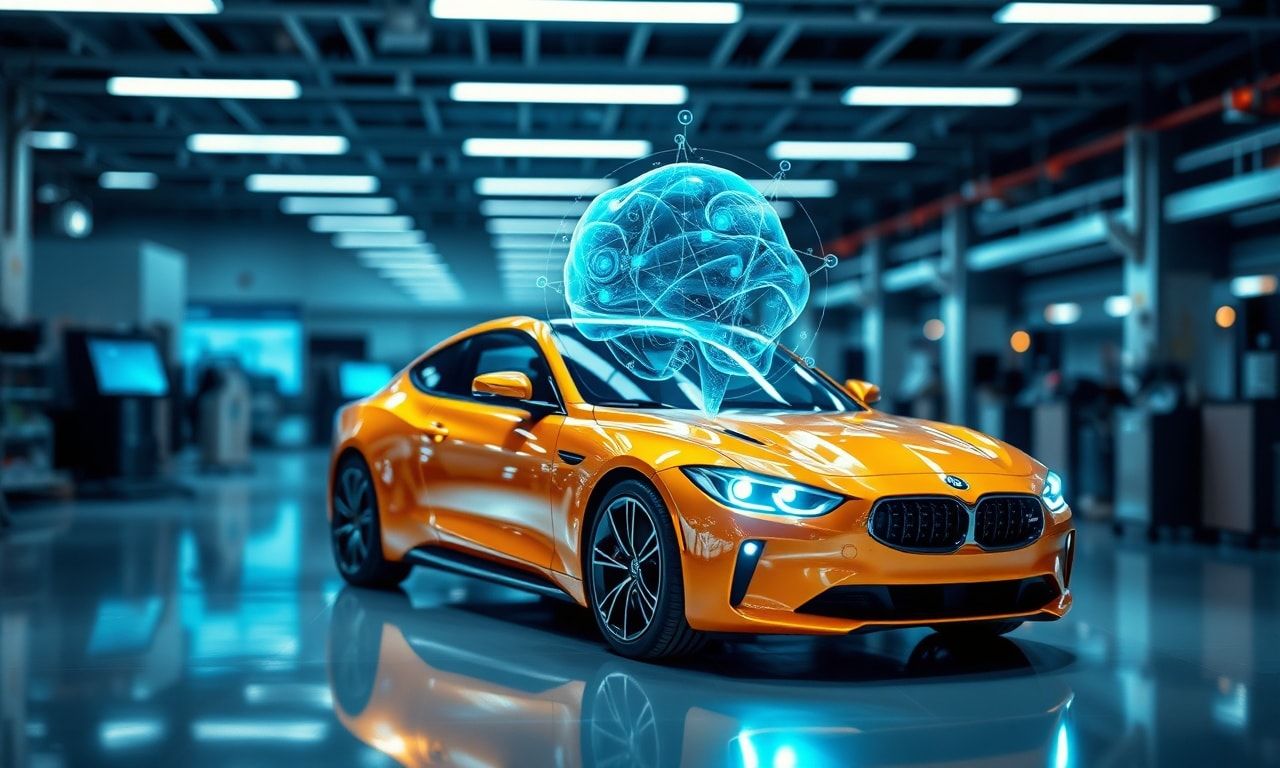
The Evolution of Automotive Technology
The automotive industry has always been at the forefront of technological innovation. From the invention of the internal combustion engine to the development of electric vehicles, the industry has continually pushed the boundaries of what is possible. Today, the integration of artificial intelligence (AI) and other advanced technologies is revolutionizing the way we drive and interact with our vehicles.
The Role of AI in Modern Vehicles
AI is playing an increasingly important role in the development of modern vehicles. From advanced driver-assistance systems (ADAS) to autonomous driving capabilities, AI is enhancing safety, convenience, and efficiency on the road. For instance, AI-powered systems can analyze vast amounts of data from sensors and cameras to make real-time decisions, such as adjusting speed, braking, and steering to avoid potential hazards.
One of the most significant advancements in AI technology is the development of machine learning algorithms that can learn from driving patterns and adapt to different driving conditions. These algorithms can improve over time, making driving safer and more efficient. Additionally, AI can be used to optimize vehicle performance, reduce fuel consumption, and minimize emissions, contributing to a more sustainable future.
Enhancing Safety with AI
Safety is a top priority for automakers, and AI is playing a crucial role in enhancing vehicle safety. AI-powered systems can detect potential hazards, such as pedestrians, cyclists, and other vehicles, and take appropriate action to avoid accidents. For example, AI can be used to implement advanced braking systems that can stop the vehicle automatically if a collision is imminent.
Moreover, AI can be used to monitor the driver’s behavior and alert them if they are showing signs of fatigue or distraction. This can help prevent accidents caused by human error, which is one of the leading causes of road accidents. By integrating AI into safety systems, automakers are taking a significant step towards creating safer roads for everyone.
Improving Convenience with AI
AI is also enhancing the convenience of driving. AI-powered voice assistants, such as Honda’s Cabin Watch, can help drivers control various functions of the vehicle, such as climate control, navigation, and entertainment systems, without taking their hands off the wheel or their eyes off the road. This not only makes driving more convenient but also safer.
Additionally, AI can be used to optimize routes and traffic conditions, providing drivers with real-time updates and alternative routes to avoid congestion. This can save time and reduce frustration, making the driving experience more enjoyable. AI can also be used to monitor vehicle health and alert drivers to potential issues before they become major problems, ensuring that the vehicle remains in optimal condition.
The Future of Automotive Technology
The future of automotive technology is bright, with AI and other advanced technologies set to revolutionize the way we drive. One of the most exciting developments is the potential for fully autonomous vehicles. While still in the early stages of development, autonomous vehicles have the potential to transform the way we travel, making roads safer and more efficient.
However, the widespread adoption of autonomous vehicles will require significant advancements in AI technology, as well as changes in regulations and infrastructure. Automakers, tech companies, and governments will need to work together to ensure that autonomous vehicles are safe, reliable, and accessible to all.
Cybersecurity in the Age of Connected Vehicles
As vehicles become more connected, the risk of cyber attacks increases. To protect against these threats, automakers are investing heavily in cybersecurity technologies. AI can play a crucial role in detecting and preventing cyber attacks, ensuring that vehicles remain secure and protected.
For example, AI-powered systems can monitor vehicle networks for signs of intrusion and take appropriate action to prevent attacks. Additionally, AI can be used to develop advanced encryption algorithms that make it more difficult for hackers to access vehicle systems. By integrating AI into cybersecurity systems, automakers are taking a proactive approach to protecting their vehicles and their customers.
In conclusion, the integration of AI and other advanced technologies is revolutionizing the automotive industry. From enhancing safety and convenience to optimizing performance and reducing emissions, AI is playing a crucial role in shaping the future of driving. As we look ahead, the potential for AI in the automotive industry is vast, and we can expect to see even more exciting developments in the years to come.
For those interested in learning more about driving techniques and vehicle technology, resources like Honda Accord driving in u-turns tips can provide valuable insights and tips to enhance your driving experience.
