
Honda Civic vs Accord: Which Sedan Fits Your Needs Best?
Compare the Honda Civic and Accord by size, comfort, driving needs, powertrains, and ownership factors to choose the sedan that suits your daily life.

The Civic is usually the better fit if you want a more compact sedan that is easier to park and well suited to everyday commuting. The Accord makes more sense if you value a roomier cabin, a more relaxed feel on longer drives, or the added space for passengers and luggage. Compare the specific model years and powertrains available where you live before choosing.
Both cars can serve as practical daily transport, but they do not offer the same balance of size, space, and driving character. Trim levels, equipment, and engine choices vary by market, so compare local specifications rather than assuming every Civic or Accord is identical.
Start with your usual passenger count, parking situation, and route. Then check the exact vehicle’s condition, equipment, running costs, and local availability; a well-matched Civic or Accord is more useful than choosing by nameplate alone.
- The Civic is the more compact choice; the Accord’s larger cabin can better suit regular passengers and longer trips.
- Match the car to your parking, routes, passenger needs, and luggage before comparing specifications.
- Powertrains and equipment vary by model year and market, so verify the exact vehicle.
- For an import, check the original-currency quote and account separately for taxes, shipping, and registration.
How the Civic and Accord Differ
Size Sets the Baseline
The Civic is the smaller car, while the Accord is designed to provide more room and a more substantial presence. That difference affects everyday tasks: the Civic can be easier to fit into tight parking spaces, while the Accord can feel more accommodating when several people travel together. Check dimensions for the exact generation and market.
Think beyond exterior length when comparing them. Door openings, rear-seat legroom, boot shape, and the driver’s view all influence how manageable a car feels in your routine. Sit in both models if possible, and test the rear seats with the people who will regularly use them.
For an overseas listing, compare the seller’s quoted amount in its original currency with your own budget rather than relying on a stale conversion; checking bugünkü döviz kurları can clarify how currency movements affect that quoted price. A current quote still does not include shipping, taxes, registration, or other import costs.
Different Everyday Character
The Civic generally suits drivers who want a compact sedan without moving up to a larger car. The Accord’s extra room may be welcome for frequent passengers, longer journeys, or bulky luggage, but that benefit matters less if most trips involve one person and a crowded parking area.
Neither nameplate guarantees the same equipment or driving feel across every generation. Suspension tuning, cabin materials, driver-assistance features, and available engines can change by model year and trim. Compare the specifications of the actual cars you are considering, then use a test drive to check which feels more natural.
The right comparison is therefore between specific versions, not simply two badges. A higher-trim Civic may have features that a basic Accord lacks, while a newer Accord may offer technology absent from an older Civic. Confirm the model year, trim, and market specification before treating any feature as standard.
Match Each Sedan to Your Driving Needs

Start With Your Routine
Choose around the driving you actually do: a Civic can be a sensible match for solo commuting and tight urban parking, while the Accord’s added cabin room can benefit regular passengers. A döviz kurları çevirici can also help translate an overseas Civic or Accord quote into a familiar budget before comparing the cars.
- Frequent solo trips and tight parking can favour the Civic.
- Regular passengers may appreciate the Accord’s extra cabin room.
- Use your real routes and luggage needs to guide a test drive.
Write down the routes and tasks that shape your week. Frequent narrow streets and limited parking favour a car that feels easy to place, while motorway trips with passengers make seat comfort, cabin space, and relaxed cruising more important. These practical patterns matter more than a broad claim that one model is universally better.
Consider occasional needs without letting them dominate the decision. If you carry extra passengers only a few times a year, compare the inconvenience of a smaller cabin with the daily ease of a more compact car. If your boot is routinely full, bring your usual bags to a viewing and test how they fit.
- Check parking and garage space.
- Count regular passengers, not occasional ones.
- Consider your usual route and trip length.
- Test the boot with typical luggage.
Balance Space and Handling
A larger sedan can be more comfortable for people who regularly sit in the back, but it may take more care in compact parking spaces. A smaller car can feel easier to manoeuvre in town, yet passengers may prefer the roomier alternative on longer trips. Try both in the situations you encounter most.
Pay attention to visibility, steering response, and how confidently you can judge each car’s corners. These impressions are personal, and a brief drive on a familiar route can reveal more than a specification sheet. If possible, include a parking manoeuvre and a section of road at typical cruising speed.
Also compare entry and exit, seat adjustment, and access to controls. A car that appears spacious may not suit every passenger’s seating position, while a compact cabin can work well if its layout fits your family. Make each regular driver test the car rather than choosing from one person’s impression.
Compare Space, Comfort, and Everyday Use
Check Cabin and Luggage
The Accord’s larger footprint can bring a more accommodating cabin, but confirm that its rear seat and boot solve a real need for you. The Civic’s smaller dimensions may be easier to live with in congested areas. Compare the specific cars in person, since generation and body style affect usable space.
Test the back seat with an adult sitting behind the driver in a realistic position. Check headroom, knee room, and whether the seat is comfortable over more than a quick showroom visit. For child seats, bring the seat you use and verify access to the required attachment points.
Boot capacity figures do not show how conveniently everyday items fit. Look at the opening, floor height, and shape around the wheel arches, then load a suitcase, pushchair, or work equipment if those are part of your routine. A wide, accessible opening can matter as much as the headline capacity.
| Use case | Civic | Accord |
|---|---|---|
| Tight parking | More compact footprint | Check space carefully |
| Regular rear passengers | Test rear-seat fit | More cabin room to consider |
| Frequent luggage | Check boot opening and shape | Compare usable boot space |
| Mixed daily driving | Compact-car convenience | Roomier sedan experience |
Compare Daily Convenience
Everyday comfort depends on more than the car’s overall size. Seat support, road noise, ride quality, storage spaces, and visibility can all shape how tiring a commute feels. Drive both options on rough streets and at normal cruising speed, and note which cabin suits your passengers and preferred driving position.
Check the controls you will use most, including climate settings, infotainment, and parking aids. Their availability can differ between trims and model years, so verify equipment on the actual vehicle rather than assuming it comes with every Civic or Accord. Test phone connection and adjust the driver’s seat before judging the layout.
Ownership convenience also includes fitting the car to your home and routine. Confirm that the vehicle clears your garage, that doors open comfortably in your usual parking space, and that rear passengers can get in without difficulty. A brief practical check can prevent a roomy-looking choice from becoming awkward every day.
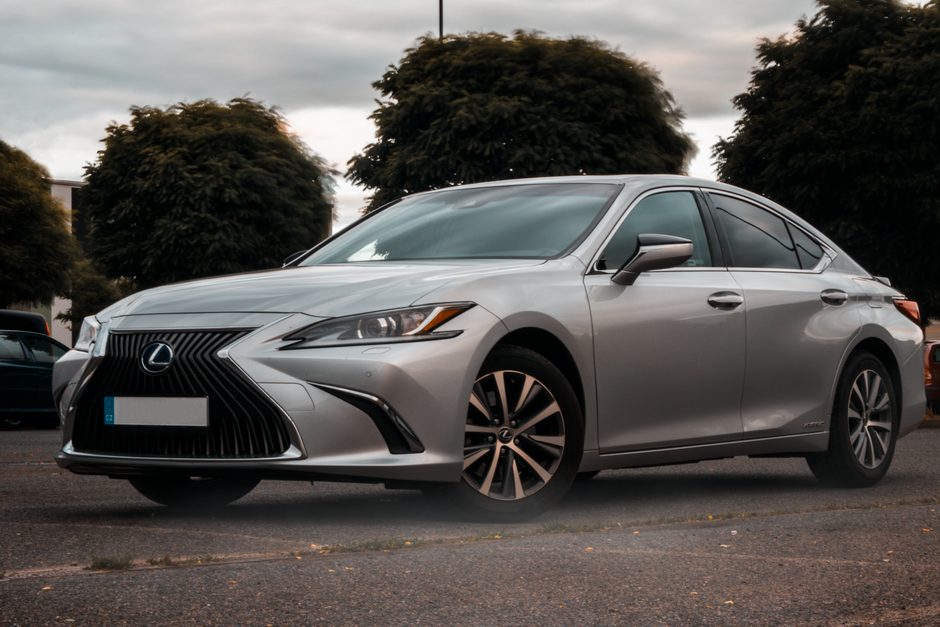
Available engines and hybrid systems depend on the Civic’s or Accord’s model year and the country where it was sold.
Understand the Powertrain Choices
Compare Engines by Market
Available engines and hybrid systems depend on the Civic’s or Accord’s model year and the country where it was sold. Do not assume a powertrain offered in one market is available in another, or that two cars with the same badge have matching specifications. Check the vehicle identification details and local manufacturer information.
Compare the powertrain with your typical driving, not just its headline output. Stop-start urban use, long motorway runs, steep routes, and frequent passengers place different demands on a car. A test drive that includes your normal speeds and road conditions can help you judge acceleration, refinement, and ease of use.
If you are looking at a hybrid, ask how the system operates and what maintenance history is available for that particular vehicle. Review the owner’s manual and market-specific service requirements, especially for a used import. Avoid assuming that every hybrid version has the same equipment or service schedule.
Match Power to Your Routes
Choose a powertrain that feels composed on the roads you use most. Try merging, climbing a familiar hill, and accelerating with passengers aboard if those situations are part of your routine. A car that feels adequate on a quiet test route may behave differently when fully loaded or travelling at motorway speed.
Check the transmission and driving controls as well as the engine type. Smooth, predictable response can make daily traffic less tiring, while unfamiliar controls may take time to learn. During a test drive, notice how the car responds from a stop and whether acceleration feels suitable without needing to push it hard.
For a used car, the vehicle’s condition and service records matter alongside its powertrain design. Look for evidence of regular maintenance and ask about warning lights, repairs, and any documented work on hybrid components where relevant. Have a qualified technician inspect the car if its history is incomplete or its behaviour seems unusual.
Estimate the Full Cost of an Overseas Purchase
Build A Complete Cost Checklist
Compare the full delivered cost, not just the advertised price, before deciding whether an overseas Civic or Accord is a bargain. Add the vehicle price, transport, insurance, import duty, taxes, registration, inspection, and any required modifications. A low quote can lose its appeal once these costs are included, particularly if local rules require equipment changes.
- ☐ Request an itemized vehicle and shipping quote.
- ☐ Confirm which duties, taxes, and port charges are excluded.
- ☐ Check insurance coverage from pickup through delivery.
- ☐ Verify registration and modification costs with local authorities.
Ask the seller for an itemized written quote that identifies the vehicle, currency, included services, and payment terms. Check whether shipping covers delivery to your destination or only to a port, and whether insurance protects the car throughout transit. A quote that leaves these details unclear is difficult to compare fairly with a local listing.
Use the same assumptions when comparing an imported car with a locally available Civic or Accord. Include the cost of travel or an independent inspection if you would need either before buying. Keep the figures in one currency, record where each estimate came from, and allow for fees that may change before the vehicle arrives.
Check Local Ownership Requirements
Confirm that the exact model and specification can be registered where you live before paying a deposit. Rules may vary by model year, engine, emissions equipment, lighting, and safety certification, even when a car carries the same Civic or Accord name. Ask the relevant registration authority what documents and inspections apply to that specific vehicle.
Check whether the car’s service history and warranty will be recognized locally. A vehicle imported from another market may have different equipment, parts, or warranty terms from a locally sold version. Ask a local Honda service department whether it can identify the specification by its vehicle identification number and obtain the parts likely to need replacement.
Consider how long you can wait for paperwork, shipping, and any inspection or repair work. If you need a dependable car by a fixed date, a local example may be the more practical choice even when its purchase price is higher. Compare that convenience against the imported car’s complete cost rather than treating it as an intangible bonus.
Convert a Foreign-Market Quote Carefully

Compare Quotes In One Currency
Convert a seller’s quote using a rate close to the date you expect to pay, then check the amount again before transferring funds. If the quote is in US dollars, searching dolar kaç TL oldu can help you assess its lira equivalent before committing to a cross-border purchase. Treat the conversion as an estimate until your bank confirms its rate and fees.
A displayed exchange rate may differ from the rate applied to your payment because providers can add a spread or transaction charge. Ask your bank or transfer service for the amount the recipient will receive, not only the rate shown on a screen. That figure makes a more useful comparison with the seller’s invoice and other purchase costs.
Write down the quote currency, conversion rate, date checked, and expected payment method. This creates a simple record you can update if the seller changes the price or the exchange rate moves. For a long shipping period, remember that the eventual local-currency cost can differ from today’s estimate even if the foreign-currency price stays fixed.
Check The Payment Amount
Confirm whether the seller expects the payment in the currency shown in the quote or will accept a local-currency transfer. Ask who pays intermediary bank charges and whether the seller must receive a precise net amount. Unclear payment instructions can leave a balance outstanding even when you sent what appeared to be the full converted price.
Compare the payment provider’s final amount with the seller’s invoice before authorizing a transfer. Check the recipient details through a verified channel, especially if revised bank instructions arrive by email. A currency conversion does not verify that a seller or account is genuine, so handle identity and payment checks separately.
Keep copies of the quote, invoice, transfer confirmation, and any agreement about currency or fees. If the payment is staged, record the amount and due date for each stage and what event triggers it. Do not rely on an informal exchange-rate estimate when a contract specifies a fixed currency and payment obligation.
Avoid Common Cross-Border Buying Mistakes
Verify The Car Before Paying
Do not send a deposit until you have verified the vehicle’s identity, ownership, and condition independently. Match the vehicle identification number on the car to its paperwork, and check for outstanding finance or restrictions where the car is registered. Ask for a current inspection report or arrange an inspection by someone who is not acting for the seller.
- Trusting listing photos; arrange an independent inspection instead.
- Sending money before checking ownership; verify the documents first.
- Assuming the quote includes all charges; request an itemized total.
Request clear photographs of the body, cabin, odometer, identification plate, and any damage, but do not treat images as a substitute for inspection. A live video call can help confirm that the car exists and matches the listing, yet it may not reveal mechanical faults. For a costly purchase, use a qualified local inspector or a trusted inspection service.
Check that the contract states the exact vehicle, agreed price and currency, payment schedule, delivery terms, and what happens if the car fails a required inspection. Read the cancellation and refund conditions before sending money. If the seller resists basic verification or pressures you to pay before providing documents, pause rather than trying to solve the uncertainty later.
Confirm Import And Delivery Details
Ask the relevant customs or transport authority what documents must accompany the vehicle and who is responsible for submitting them. Requirements can depend on the destination and the vehicle’s origin, so a seller’s experience with another buyer may not apply to your case. Confirm the process directly before shipping begins.
Agree on how the car will be transported, where it will be handed over, and who covers storage if paperwork is delayed. Clarify the insurance limit and the steps for reporting damage on arrival. Photograph the vehicle at collection and delivery, and note any visible damage on the carrier’s record before signing acceptance.
Check that the vehicle’s specification will satisfy local safety and emissions rules, and establish whether any changes must be completed before registration. A car that cannot be registered promptly may incur storage costs and disrupt your plans. Get requirements from the authority responsible for registration, not only from the exporter or shipping agent.
Make a Confident Civic-or-Accord Choice

Set Priorities Before Test Drives
Choose the Civic if its footprint, cabin, and available powertrain meet your everyday needs without making parking or running costs a concern. Choose the Accord when its additional room and comfort are worth considering for your passengers, luggage, and regular journeys. The right answer depends on how you use a car, not on a model’s position in the range.
List your usual routes and passengers before comparing specific cars. Frequent city parking can make a smaller sedan easier to live with, while regular long trips with adults in the rear seats may make the Accord’s space more valuable. Bring your normal luggage or child seats to a test drive when those items shape your choice.
Compare the exact model years and trims available in your market, because equipment and powertrain choices can vary. Check safety features, driver assistance, infotainment, and seat adjustments on the individual cars rather than assuming every Civic or Accord includes the same kit. A well-equipped example of either model can be a better fit than a higher trim that lacks a feature you need.
Make The Final Comparison
Test-drive both models on roads similar to your regular commute, including parking or a longer stretch of highway if possible. Notice visibility, seat comfort, cabin noise, turning ease, and how naturally the controls fall to hand. A short drive can reveal whether the car suits you better than a specification sheet can.
Compare specific vehicles on condition, service records, tires, remaining warranty, and expected maintenance as well as purchase price. For used cars, an independent inspection can expose issues that change the value calculation. If one car needs immediate repairs or has incomplete records, include that uncertainty rather than comparing the two as if they were equally ready to own.
Choose the model that fits your daily needs and whose total cost and condition you can verify. If the decision remains close, prioritize the feature you will use most often, whether that is easier parking, more passenger room, or a particular powertrain. Then confirm the final paperwork and local registration requirements before making a commitment.
Frequently asked questions
Is the Civic easier to park than the Accord?The Civic is generally the smaller car, so it can be easier to place in tight parking spaces and narrow streets. The exact difference depends on the model year and body style, and parking sensors or cameras can also affect confidence. Try both in the kind of spaces you use regularly; dimensions alone cannot tell you how clearly you can see or maneuver.
Which model is better for regular long-distance driving?Either can suit longer trips, so compare the specific versions rather than relying on the model name alone. Seat support, cabin noise, powertrain, and available driver-assistance equipment all affect comfort over distance. If you often carry rear passengers or bulky luggage, check how each car fits them in person and test-drive both on a route that resembles your usual journey.
Can a Civic or Accord from another market differ from the local version?Yes. Equipment, engines, safety features, emissions specifications, and warranty terms can vary between markets and model years. Verify the car’s exact specification using its vehicle identification number and paperwork, then ask local registration authorities and a Honda service department about compatibility. Do not assume that a familiar model name guarantees the same parts, equipment, or eligibility for registration.
What should I check first when comparing used examples?Start by verifying the vehicle identification number, ownership documents, service history, and any outstanding finance or restrictions. Then arrange an independent inspection and compare condition, tires, warning lights, and signs of prior damage. Ask for a written breakdown of the price and any immediate work needed. These checks help distinguish a genuinely good buy from one that only looks attractive in a listing.
Choose The Sedan That Fits Your Real Routine
The Civic and Accord can both make sensible daily cars, but they serve different priorities. Consider the Civic when a more compact footprint fits your routes and parking, and weigh the Accord’s added space against its size and total ownership cost. For either model, compare the precise year, trim, powertrain, condition, and local equipment rather than relying on a broad model-level comparison.
Before buying, test-drive the specific cars, verify their records, and calculate the complete cost of ownership. If you are considering an overseas example, confirm import and registration rules and check the payment conversion with your provider before sending money. Your next step is to shortlist cars that meet your needs, then compare their documented condition and real delivered cost side by side.
Add Honda Civic Cars as a preferred source on Google


