
Honda Civic Performance Tuning: Practical Tips for Owners
Learn how to plan Honda Civic performance upgrades, choose compatible parts, work with a reputable tuner, and avoid costly or unreliable modifications.

For reliable Honda Civic performance tuning, start by deciding what you want to improve, then choose compatible upgrades that suit your model and budget. Keep the engine, transmission, tyres and brakes in balance, and address maintenance issues before adding power. A reputable specialist can check fitment, explain trade-offs and tune changes safely for your specific Civic.
The right upgrade depends on how you use the car. A daily-driven Civic may benefit more from tyres, suspension or sharper throttle response than from an aggressive engine tune, while track use brings greater demands on cooling, brakes and servicing.
Before buying parts, confirm your exact model, engine, transmission and local road rules. Keep the original components where practical, change one area at a time, and record the results so you can spot problems early.
- Define how you use your Civic and what you want to improve before buying parts.
- Check the car’s condition and confirm that upgrades suit its exact model and drivetrain.
- Choose compatible changes as a balanced package, then assess them before adding more.
- Use a qualified specialist who explains the work, testing, risks and follow-up.
What performance tuning changes on a Honda Civic
Power delivery and response
Performance tuning changes how a Civic produces or uses power, but not every modification adds engine output. An ECU calibration can alter throttle response and engine management, while an intake or exhaust part changes airflow and sound. The result depends on the engine, existing hardware and quality of the installation.
A change that feels quicker is not always making more peak power. Sharper throttle mapping can make acceleration feel more immediate, yet it cannot compensate for worn tyres or a slipping clutch. Ask what a proposed modification changes across the rev range, and whether the shop can show before-and-after data.
Factory systems are designed around emissions, noise, fuel quality and durability requirements. Replacing or altering them can affect those goals, so check local regulations and warranty terms before proceeding. If an upgrade requires supporting parts or a particular fuel, include those needs in the decision rather than treating them as optional.
Grip, handling and braking
A Civic’s performance is also shaped by how effectively it turns, grips and stops. Suitable tyres can improve traction and steering response, while suspension changes affect body movement and ride comfort. Brakes need to match the car’s use, since repeated hard stops place different demands on components than everyday commuting.
Treat the car as a system rather than a list of isolated parts. Lowering springs may change suspension travel and alignment, and wider wheels can affect clearance or steering feel. After suspension work, get the alignment checked and ask whether the chosen setup remains suitable for the roads you drive.
For a street car, balanced improvements often feel more useful than a single headline-grabbing modification. A well-maintained Civic with appropriate tyres and sound brakes can be easier to drive confidently than one with extra power but poor grip. Start with the weakest part of the car’s performance, not the most exciting catalogue item.
- Check tyre condition and pressure before changing hardware.
- Match suspension parts to street or track use.
- Confirm wheel clearance and alignment requirements.
- Inspect brake condition before increasing performance demands.
How to set goals before modifying your Civic

Define the car’s main job
Choose upgrades around the Civic’s main job: commuting, spirited road driving, occasional track days or competition. Each use brings different priorities for comfort, reliability, running costs and legal compliance. Writing down your intended use helps you reject parts that solve a problem your car does not actually have.
- Choosing parts because they are popular; select upgrades that address your own driving needs.
- Focusing only on peak power; consider handling, braking and reliability together.
- Ignoring road rules; check local requirements before ordering or installing parts.
Be specific about what feels lacking in the car today. If you want more confidence on winding roads, tyres or suspension may be more relevant than an engine tune. If acceleration is the concern, first confirm that the engine is healthy and the current setup is performing as intended.
Consider the people and conditions the car must accommodate. A daily driver still needs predictable behaviour in rain, comfortable travel and dependable cold starts, while track use may require more frequent inspections. A clear brief lets a mechanic recommend a suitable route and explain what compromises each option brings.
- Write down the main driving use.
- Name the specific behaviour you want to improve.
- List comfort, reliability and legal requirements.
- Decide which trade-offs are unacceptable.
Check the car and budget
Establish the Civic’s condition before spending on modifications. Look for warning lights, fluid leaks, overdue maintenance, uneven tyre wear and unusual noises, then resolve faults first. A tune or performance part cannot reliably fix a neglected engine, and existing problems can make it harder to judge whether an upgrade works.
Set a complete budget rather than pricing only the part. Include installation, alignment, tuning, supporting components and any additional maintenance the setup requires. Leave room for unexpected work, since a specialist may find worn components or fitment issues once the car is inspected.
Check compatibility against the exact model year, engine and transmission, not just the Civic name. Similar-looking versions can use different components or control systems. Ask the seller or installer to confirm fitment in writing, and keep receipts and original parts so future diagnosis or a return to standard form is easier.
Choosing upgrades that work well together
Build a compatible package
Plan modifications as a package so each part supports the others. An engine tune may require compatible hardware and a calibration suited to that combination, while suspension changes can call for a fresh alignment. Before ordering, ask the installer to identify dependencies, potential clearance issues and any maintenance changes the setup needs.
For drivers exploring parts or services, Seo Services can help a tuning business reach customers, but Civic owners should independently verify a shop’s credentials and technical experience. Find out who will work on your car, what testing they perform and whether they can explain the risks in plain language.
Avoid assuming that parts from different manufacturers will automatically work together. Confirm specifications, installation instructions and any required supporting components with the people responsible for the build. A written parts list helps prevent mismatched orders and gives the tuner a clear record of what is fitted when diagnosing unexpected behaviour.
- Confirm exact Civic fitment and supporting parts.
- Check whether installation requires calibration or alignment.
- Ask how the combination affects maintenance and warranty.
- Keep a record of parts, settings and service work.
| Upgrade | Main benefit | Key consideration |
|---|---|---|
| Performance tyres | More available grip | Choose for road conditions |
| Suspension parts | Changed ride and handling | Check fitment and alignment |
| ECU calibration | Altered engine response | Match tune to hardware and fuel |
| Brake components | More suitable stopping setup | Match parts to vehicle use |
Compare upgrade routes
Compare upgrade routes by the change they deliver, their side effects and the work needed to support them. Tyres can improve grip without altering engine output, while suspension parts change ride and handling. Engine modifications may increase power, but can bring added heat, servicing needs or tighter fuel requirements.
Make each option answer a practical question: what will feel different, what else must change, and how will success be checked? A reputable installer should explain limitations as well as benefits. If the recommendation is vague or depends on unsupported promises, pause and seek a second opinion.
A staged approach helps preserve control over cost and reliability. Complete one compatible group of work, check the car’s behaviour, and only then decide whether the next change is justified. This makes it easier to identify the source of a new noise, warning light or handling change than fitting several unrelated parts at once.
Choose a specialist who has worked on your Civic’s generation, engine and transmission, rather than relying on broad claims about performance cars.
Why a reputable tuning specialist matters

Look for relevant experience
Choose a specialist who has worked on your Civic’s generation, engine and transmission, rather than relying on broad claims about performance cars. Ask what similar setups they have handled and how they confirm that a vehicle is suitable for tuning. Specific, clear answers are more useful than a promise of dramatic results.
A careful shop should inspect the car before recommending changes and explain the work in terms you can understand. Ask whether the quote includes parts, labour, calibration and follow-up checks. If the technician cannot explain which components are being changed or why they suit your goals, do not feel pressured to book.
Look for an orderly process as well as technical confidence. A written work plan, clear parts list and discussion of risks make it easier to compare shops and avoid misunderstandings. Confirm who is responsible for installation and calibration, and how the business will handle a problem if the car behaves differently after the work.
- Ask about experience with your exact Civic setup.
- Request a written scope and parts list.
- Check what testing and follow-up are included.
- Clarify who handles installation and calibration.
Expect careful testing
Testing helps confirm that a modification works as intended and reveals problems before they become harder to trace. Depending on the work, a specialist may check for diagnostic faults, inspect operating conditions or assess the car under controlled load. Ask what checks are appropriate for your setup and what records you will receive.
Do not treat a single power figure as proof that a tune is safe or suitable. The car also needs stable operation, sensible temperatures and behaviour that matches your intended use. A responsible tuner should discuss fuel requirements, warning signs to watch for and when the car should return for inspection.
After collection, follow the specialist’s break-in or recheck advice and pay attention to new noises, warning lights, smells or changes in drivability. Stop using the car if a serious fault appears, and contact the shop with a clear description of what happened. Keeping the invoice and calibration details helps future technicians understand the setup.
Checking a tuning shop’s local visibility
Verify Contact Details First
Before booking work, confirm that the shop’s address, phone number, opening hours, and service list match across its website and business profiles. Inconsistent details can make it harder to reach the right place or establish whether a listing is current. Call before travelling, especially if the shop operates from a shared industrial unit or has recently moved.
- Check the workshop address and contact details before visiting.
- Confirm that the advertised services match the work your Civic needs.
- Use online listings to start your checks, not to judge tuning quality.
A polished website does not prove that a workshop can tune your Civic, but clear, current information makes basic checks easier. Look for the actual workshop address, a way to ask technical questions, and a service description that names the kind of work you need. If the details are vague, ask directly who will carry out the job.
A tuning shop owner trying to make accurate business details easier for local customers to find may consider Local Seo Services, but that does not assess the quality of the shop’s mechanical work. For an owner choosing a tuner, treat online visibility as a starting point rather than proof of skill. Verify the workshop, its staff, and its experience independently.
Check Evidence Beyond Listings
Look for evidence that the business works on cars like yours, not simply a long list of services. A Civic’s engine, transmission, model year, and existing modifications can all affect what work is suitable. Ask whether the tuner has handled the same generation and engine, and request examples of comparable jobs.
Independent reviews can reveal how a shop handles communication, delays, and problems after a car leaves the workshop. Read several accounts and look for specific descriptions of the work rather than relying on a star rating or a single dramatic story. If a review raises a technical concern, ask the shop how it would address that situation.
Contact a previous customer or ask the shop for a reference if the planned work is extensive. A useful reference can explain what was changed, whether the car was tested properly, and how the shop responded to follow-up questions. Keep your own questions focused on the proposed job, because a positive experience with different work may not be comparable.
Avoiding common performance-modification pitfalls
Avoid Incompatible Parts
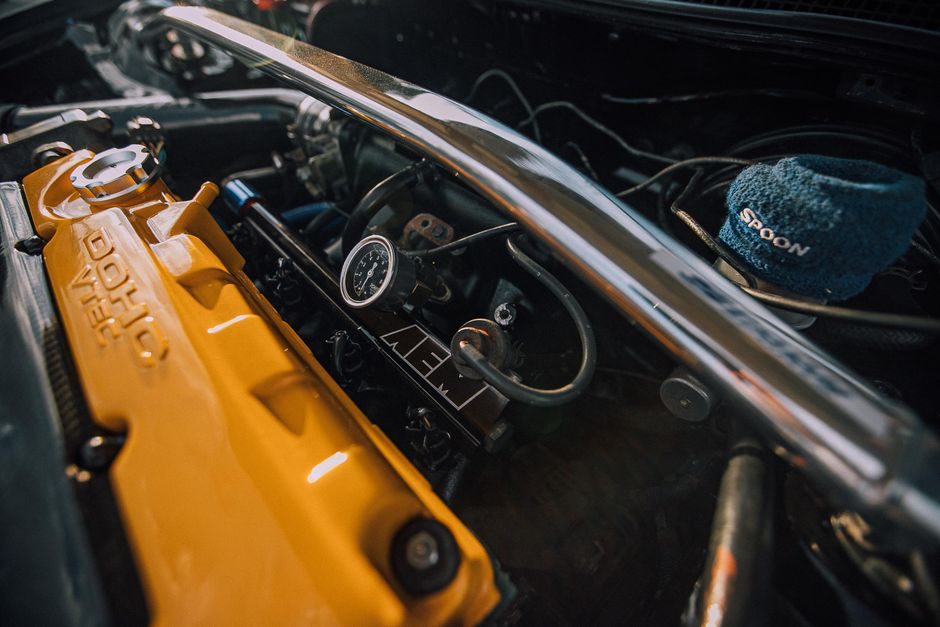
Do not buy parts until you have confirmed they fit your Civic’s exact model, engine, transmission, and year. Similar-looking cars can use different components, and parts designed for one configuration may not work safely with another. Check the manufacturer’s fitment information and ask the installer to confirm compatibility before you spend money.
- Check fitment against the car’s exact engine and model year.
- Ask which supporting parts are necessary for safe operation.
- Confirm that the proposed calibration suits the complete setup.
A collection of individually popular upgrades does not automatically make a balanced setup. A larger turbo, for example, may need supporting fuel-system changes and calibration, while a freer-flowing exhaust can alter noise without delivering the response you want. Ask the tuner to explain what each part contributes and what other changes it requires.
Avoid choosing parts solely because they are inexpensive or advertised with impressive power claims. A low-quality component can create fitment problems, inconsistent operation, or extra labour if it must be replaced. Compare the expected benefit with the full installed cost, including supporting parts and tuning, before deciding whether the modification is worthwhile.
- Match parts to the exact Civic configuration.
- Confirm required supporting modifications.
- Compare installed cost, not just part price.
- Ask what the upgrade is expected to improve.
Protect Reliability and Compliance
More power can increase heat and stress on parts that were not designed for the new output. The clutch, cooling system, brakes, tyres, and engine condition all deserve attention before a substantial power increase. A sensible tuner will discuss these limits rather than treating a higher dyno figure as the only measure of success.
Do not ignore warning lights, leaks, worn tyres, or overdue maintenance before tuning. These issues can undermine testing and make it difficult to tell whether a later problem came from the modification or an existing fault. Fix the baseline condition first, then keep service records so the car’s performance and reliability can be tracked.
Check local rules and insurance requirements before changing the car’s emissions equipment, noise level, or engine output. Requirements vary by jurisdiction, and a modification accepted in one place may cause inspection or coverage problems elsewhere. Ask your insurer and relevant inspection authority what must be declared, and keep documentation for every installed part.
Practical steps for safer, more reliable tuning
Prepare the Car Properly
Start with a maintenance check and resolve faults before any performance work begins. Fresh fluids, sound hoses, healthy ignition components, and correctly inflated tyres help the car behave consistently during tuning. If the engine already misfires, overheats, or consumes unusual amounts of oil, investigate that condition rather than asking a tune to compensate.
- ☐ Repair warning lights, leaks, or running faults before tuning.
- ☐ Bring a written list of existing parts and software changes.
- ☐ Explain your normal driving and any planned track use.
- ☐ Agree on follow-up support before authorizing the work.
Write down the car’s current configuration, including parts, maintenance history, warning lights, and any previous software changes. This gives the tuner a useful baseline and reduces the risk of overlooking an earlier modification. Bring the information to the appointment, and mention how you use the car, whether for commuting, road trips, or occasional track sessions.
For a tuning business serving Leicester and Leicestershire, Leicester Seo Services may help with local visibility; Civic owners should still use independent reviews and references when choosing a shop. For the actual tuning decision, ask who will work on the car, what checks will be performed, and what support is available if a problem appears afterwards.
- Resolve existing engine and maintenance faults.
- Record every current modification and software change.
- Tell the tuner how the car is normally used.
- Confirm the aftercare process before booking.
Agree on a Clear Work Plan
Ask for a written description of the proposed work before authorizing installation or calibration. It should identify the parts or software changes, the intended improvement, any supporting work, and what the quoted scope does not include. Clear boundaries make it easier to compare options and prevent assumptions about extra parts or labour.
Discuss how the tuner will test the car and what conditions are needed for a reliable result. Depending on the work, checks may include fault-code scans, road testing, and dyno runs, but the method should suit the modification. Ask what data will be recorded and whether you will receive a copy of the final settings or test notes.
Agree how the shop will respond if the car develops a fault or fails to meet the agreed goal. Find out whether diagnosis, revisions, or replacement parts are included, and how the shop distinguishes a tuning issue from a pre-existing problem. Keep the written plan, invoices, and test records with the car’s maintenance history.
How to assess results after an upgrade
Compare the Right Measures
Judge an upgrade against the goal you set before the work, not just the largest number on a dyno sheet. A street-driven Civic may benefit more from smoother throttle response or stronger mid-range pull than from peak output at high engine speed. Compare the car’s behaviour in the conditions where you actually drive it.
Ask for before-and-after measurements taken under comparable conditions, and clarify what the figures represent. Dyno results can vary with equipment, settings, and test procedure, so a comparison is most useful when the same method was used both times. Treat the numbers as evidence to interpret alongside drivability, temperatures, and diagnostic checks.
Pay attention to everyday signs that the change is working as intended. The car should start, idle, accelerate, and cruise consistently without new warning lights, unusual noises, or excessive heat. If the upgrade was meant to improve response, note whether it feels more predictable across the rev range rather than simply sharper at one throttle position.
- Compare results with the original goal.
- Use measurements taken under similar conditions.
- Check drivability as well as peak output.
- Watch for new faults, heat, or unusual noises.
Monitor Changes Over Time
Keep a simple record of fuel use, service needs, warning lights, and how the car behaves after the upgrade. A single drive may not expose a problem that appears during cold starts, long journeys, or heavy traffic. Notes made over normal use help you describe a change clearly if the tuner needs to inspect the car.
Return to the workshop promptly if the car develops persistent knocking, misfires, overheating, unusual smoke, or a warning light. Avoid hard driving while a serious symptom is unresolved, since continued load can worsen damage. Describe when the symptom occurs and provide any diagnostic codes rather than clearing them before the shop can inspect the vehicle.
Review the setup after you have driven in varied conditions, and ask the tuner to explain any unexpected behaviour. If the result misses the agreed objective, bring the original work plan and test records to that conversation. A careful follow-up can identify whether the calibration needs adjustment, a part is not working correctly, or the goal needs a more realistic approach.
Frequently asked questions
Can I tune a Civic that is still under warranty?A modification may affect warranty coverage, but the outcome depends on the warranty terms, the fault, and local consumer law. Before changing software or installing parts, ask the dealer or warranty provider for its position in writing. Keep invoices and installation records, and remember that a modification does not automatically make every unrelated repair ineligible.
Is an ECU remap safe for a standard Civic?A remap can be suitable when it matches the exact engine, fuel, and vehicle condition, but no calibration is safe by default. Ask who developed it, how it was tested, what supporting changes it requires, and whether the original software can be restored. A healthy baseline and a tuner willing to explain the trade-offs matter more than an advertised power claim.
Should I upgrade the brakes before adding power?It depends on the car’s current brakes, the size of the power increase, and how you drive. Make sure the existing brakes, tyres, and suspension are in good condition before tuning. For frequent hard driving or track use, ask a qualified specialist to assess the complete setup; simply fitting larger components without checking compatibility may not improve control.
Can I return my Civic to its original setup?Often, some changes can be reversed, but it depends on the parts fitted and whether the original components or software were kept. Ask the shop before work begins which changes are reversible and what restoring them involves. Store removed parts safely, retain the factory calibration when possible, and record every change so a future technician can understand the car’s history.
Build a Civic Setup You Can Trust
Reliable tuning starts with a clear objective, a healthy car, compatible parts, and a specialist who can explain the plan in practical terms. Check a workshop’s credentials through evidence and references, then confirm the work, testing, and aftercare in writing. Judge the finished setup by how it performs in your real driving, not by a headline figure alone.
Your next step is to list the change you want, the way you use your Civic, and any existing faults or modifications. Take that information to a specialist and ask for a staged proposal, including what must be checked before work begins. If the car is not maintained or running properly, address that first; a sound baseline makes every later result easier to assess.
Add Honda Civic Cars as a preferred source on Google


